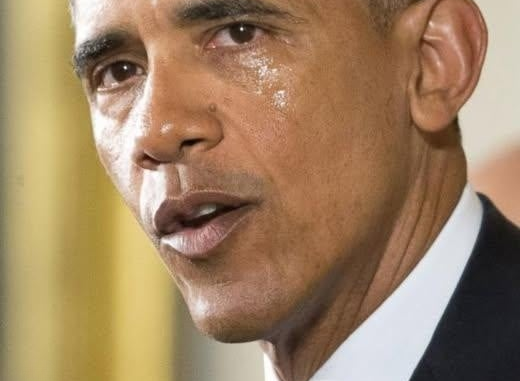
A recent statement by former President Barack Obama highlighted a longstanding debate in American politics that has been particularly visible since the 2016 election: is democracy merely a set of procedures, or does it also rely on a shared commitment to the norms and principles that uphold it? Many interpreted Obama’s comments not as a critique of voters, but as a reminder that both leaders and citizens have a responsibility to protect democratic institutions. Supporters of this view emphasize that when political figures question election results, challenge the legitimacy of courts, or cast doubt on the peaceful transfer of power, it can undermine public confidence in the structures that sustain the political system.
Those aligned with Obama’s perspective see his remarks as a call to preserve established democratic practices. They argue that democracy works best when leaders respect institutional boundaries, honor election outcomes, and foster trust in governing processes. Criticism of political figures, in this context, is intended as a defense of the system itself, rather than an attack on voters’ choices.
Conversely, many supporters of former President Donald Trump interpret such comments differently. They often feel that statements like Obama’s overlook the economic, cultural, and social frustrations that motivated their political decisions. To them, critiques of their chosen leaders can seem dismissive, appearing to invalidate the concerns that shaped their vote.
This tension reflects a broader challenge for the nation. Across the United States, people on both sides of the political spectrum frequently believe they are defending democracy while viewing the other side as a threat. The result is a fragile climate of trust, where the same events can be interpreted in dramatically different ways. Many analysts suggest that bridging this divide will require both strengthening confidence in democratic institutions and acknowledging the experiences and concerns that inform differing political perspectives.