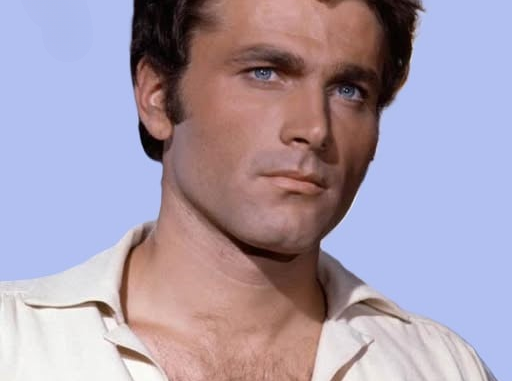
Born in 1941 as Francesco Clemente Giuseppe Sparanero, Franco Nero entered the film industry during a period when European cinema was beginning to explore darker and more layered storytelling. He quickly emerged as a distinctive presence on screen, known for a quiet intensity that set him apart from traditional leading actors. His rise coincided with a shift in audience tastes, as viewers became more drawn to characters defined by toughness, restraint, and emotional complexity rather than straightforward heroism.
One of the most pivotal moments in his career came with his role in Django. The striking image of a solitary gunman pulling a coffin through the mud became instantly iconic and helped cement the film as a lasting symbol of the spaghetti Western genre. Nero’s portrayal relied less on lengthy dialogue and more on subtle expression, body language, and presence. That understated approach added depth to the character and helped elevate the film from a modest production into one that left a lasting influence on cinema.
However, Nero’s career extends far beyond that single legendary role. Throughout the years, he worked across numerous genres and international productions, appearing in political dramas, historical epics, thrillers, and large-scale films. What stands out most about his journey is the consistency he maintained. Even as the film industry evolved and many actors faded from prominence, Nero continued to build an impressive body of work marked by professionalism, adaptability, and enduring appeal.
His legacy is especially notable because it demonstrates that influence on screen does not always require dramatic flair. Franco Nero established his reputation through precision, control, and a captivating presence that rarely relied on excess. His career serves as a reminder that true screen charisma often lies in subtlety—the confidence to command attention through the smallest gesture and the quiet strength to hold an audience without saying much at all.