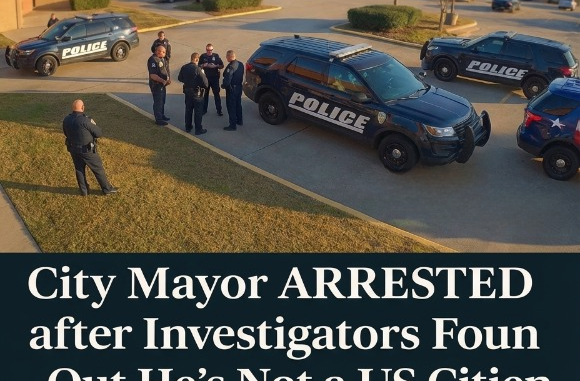
Just days after Coldwater, Kansas, voters re-elected Mayor Jose Ceballos, the small town suddenly became the focus of statewide attention. What started as a routine municipal election quickly turned into a legal and political issue when the Kansas Attorney General’s Office announced criminal election-fraud charges against Ceballos the day following his victory. The timing and nature of the allegations sparked broader discussions about how voter eligibility reviews can arise even after ballots have been cast.
State officials allege that Ceballos, a lawful permanent resident originally from Mexico, cast votes despite not being a U.S. citizen. Reports indicate he had been registered and participating in elections for several years. Kansas Secretary of State Scott Schwab explained that access to updated federal verification tools helped flag the situation for further examination. Ceballos maintains he believed he was eligible to vote as a permanent resident, while authorities insist the charges are grounded in state law and current records under review.
Local officials quickly sought to reassure residents that city operations would continue amid the legal proceedings. Following the filing of charges, Ceballos stepped aside from his mayoral duties and later resigned, underscoring the significant impact the case has had on local governance and community confidence. Residents, many of whom regard him as a familiar and committed figure, have expressed mixed emotions, adding further complexity to the situation.
The case has also sparked wider discussions across Kansas about voter registration accuracy, citizenship verification, and the role of federal and state databases in monitoring eligibility. It has revived long-standing debates over noncitizen voting—rare but politically sensitive—and may influence how the state enforces election verification and maintains public trust in the future.