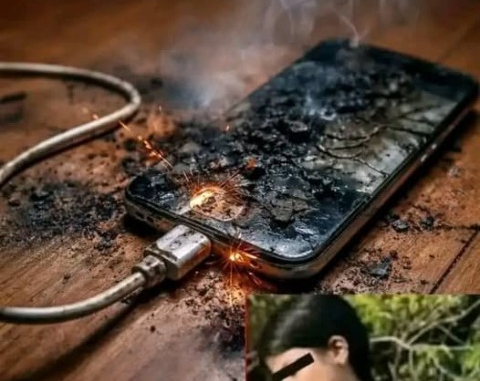
Charging a device involves transferring electrical current from a power source to a battery, and under normal conditions, this process is safe. Problems can arise, however, when low-quality or damaged chargers are used, outlets are overloaded, cables are worn or improperly handled, or devices are charged in unsafe environments. These situations can lead to overheating, short circuits, or, in rare cases, electrical fires.
Although most modern devices include built-in safety features, these protections may not work effectively if external components like chargers or extension cords are faulty or poorly made.
A typical household example helps illustrate the risks. Imagine multiple devices—such as a television, modem, fan, and phone charger—connected to a single power strip for convenience. If the charger is not certified and its cable becomes worn over time, users might bend or adjust it to keep it functioning. In this scenario, several hazards combine: an overloaded outlet, a low-quality charger, damaged insulation, and limited airflow around the power strip. Together, these factors can generate excessive heat, which, if not properly dissipated, may damage nearby materials or even start a fire. While such situations are not common, they are preventable with proper care.
Many unsafe charging habits are more widespread than people realize. Damaged cables with exposed wires increase the risk of electrical faults. Cheap or counterfeit chargers often lack proper safety features, making them unreliable. Overloading power strips by connecting multiple high-power devices can exceed safe limits. Charging devices on soft surfaces like beds or sofas can trap heat, while leaving chargers plugged in continuously may cause unnecessary heat buildup. Ignoring warning signs such as unusual warmth, burning smells, or sparks can also lead to dangerous outcomes.
Recognizing early warning signs is essential. A charger that becomes very hot, shows visible damage, fits loosely, charges intermittently, or emits a burning odor should no longer be used. Replacing it with a certified product is the safest option.
Simple daily habits can significantly reduce risks. Using certified chargers from reputable manufacturers ensures better quality and protection. Regularly checking cables for wear and replacing them when needed helps prevent issues. Avoiding the use of a single overloaded outlet, ensuring proper airflow around charging devices, and unplugging chargers when not in use all contribute to safer conditions. Keeping chargers away from flammable materials like bedding or curtains is also important.
The quality of electrical equipment plays a major role in safety. Choosing reliable products with proper insulation, safety certifications, and surge protection can reduce the likelihood of overheating or failure.
It’s also important to approach online information with caution. Many viral warnings exaggerate risks without proper context, creating unnecessary fear. While unsafe charging practices can indeed be dangerous, focusing on accurate information and practical precautions is far more helpful than reacting to alarmist messages.
If an electrical issue does occur, it’s important to act quickly but safely. Disconnecting the power source, avoiding the use of water on electrical fires, and using appropriate fire extinguishers are key steps. Emergency services should be contacted if the situation becomes serious.
Ultimately, electrical safety at home depends not only on the devices used but also on everyday habits. Handling cables carefully, avoiding temporary fixes for damaged equipment, and understanding proper usage can make a significant difference.
Charging devices is a routine part of daily life, but it should still be approached with care. By prioritizing safety, using reliable equipment, and following basic precautions, the risk of electrical hazards can be greatly reduced.