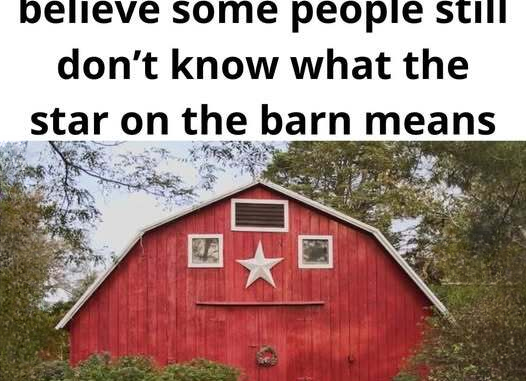
Barn stars reflect a deeper human tendency—the urge to leave a personal mark on the spaces we live in. Long before modern design trends, people found ways to shape their surroundings using simple forms and meaningful patterns. In rural environments, where life was often demanding and uncertain, adding a symbol like a star to a barn or home brought a sense of identity, pride, and comfort.
Over time, these symbols became part of the visual character of countryside life. Travelers moving through farming regions could often recognize certain styles or color patterns, linking them to particular communities or traditions. In this way, barn stars went beyond personal expression and became part of a shared cultural identity connecting neighbors and generations.
Today, their meaning continues to shift. For some, barn stars are purely decorative, enhancing the look of a home or adding a rustic accent to interior spaces. For others, they represent a connection to heritage, family history, or a simpler way of living. This adaptability has helped them remain relevant over time.
They also align naturally with the growing appreciation for vintage and farmhouse-inspired design. As people look for warmth and character in their living spaces, barn stars provide a blend of history and style. They create a visual focal point without overpowering a space, making them both subtle and distinctive.
At their core, barn stars endure because they combine aesthetic appeal with deeper meaning. Whether seen as art, tradition, or personal expression, they tell a quiet story that links past and present through a symbol that is simple, recognizable, and rich in history.
Although they may appear to be simple decorative elements on barns, homes, or rural buildings, barn stars carry a long and meaningful history shaped by generations and evolving traditions. Their origins trace back to early European settlers who brought decorative customs with them to North America, where patterns and symbols were used not only for beauty but also to reflect beliefs, values, and connections to nature.
As these communities settled in rural areas, they adapted their traditions to their new surroundings. Functional structures like barns and homes became canvases for creativity. Adding a star was a way to express identity and bring artistry into everyday life, especially at a time when resources were limited and farming dominated daily routines. These symbols offered pride, continuity, and a way to transform ordinary spaces into something meaningful.
Life in early agricultural communities was closely tied to natural cycles, and symbols often reflected hopes for stability and resilience. Barn stars became part of this visual language, sometimes associated with ideas like protection, prosperity, or harmony. Whether or not these meanings were universally shared, the placement of a star was often intentional, positioned where it could be seen clearly and serve as a quiet expression of care and identity.
The variety of barn star designs adds to their appeal. Common shapes like five-point stars suggest balance and simplicity, while more complex forms, such as eight-point stars, evoke ideas of completeness. Many of these patterns draw inspiration from traditional crafts like quilting, where symmetry and repetition play key roles, highlighting a connection between different forms of rural artistry.
Color has always influenced how barn stars are perceived. Historically, choices were shaped by available materials, but colors could also carry symbolic associations. Warm tones might suggest energy, while cooler shades convey calmness. Strong contrasts were often used to make the designs stand out against the surfaces they adorned. Today, color selection is more often guided by personal taste, but visual impact remains central.
Originally, barn stars were handcrafted, requiring skill, patience, and attention to detail. Each piece reflected the individuality of its maker, adding personal value beyond its decorative function. This handcrafted tradition gave barn stars a unique character that many still appreciate today, especially in a world where mass production is common.
Over time, their role has shifted from symbolic expression to decorative use. As rural lifestyles evolved, the deeper meanings behind these symbols became less emphasized, while their visual appeal gained prominence. This shift allowed barn stars to move beyond rural settings and become popular in suburban and urban design as well.
Today, they appear in many forms, from exterior accents on buildings to interior décor pieces. Modern materials such as metal or weather-resistant finishes have expanded their use, making them more durable and versatile. Despite these changes, their essential charm remains unchanged.
Their continued popularity is closely tied to their connection with heritage. For many, barn stars represent a link to earlier generations and the values associated with rural life. Even for those without direct ties to farming communities, they have become widely recognized symbols with cultural significance.
As lifestyles change, the way people interpret these symbols also evolves. While they are often chosen for their visual qualities today, their historical background still adds depth and meaning. This ability to adapt ensures their ongoing relevance.
Incorporating a barn star into a space involves thoughtful choices about size, color, and placement. Larger designs can serve as bold exterior features, while smaller ones may complement interior spaces. Placement can influence how the star interacts with its surroundings, helping to create balance and visual interest.
While their modern use is often decorative, understanding their origins allows for a deeper appreciation. Barn stars demonstrate how traditions can evolve without losing their essence, blending historical significance with contemporary style.
Their lasting appeal comes from a combination of simplicity and meaning. They are accessible yet rich in history, offering a sense of familiarity while also carrying cultural depth. They reflect a universal desire to create spaces that feel personal and connected.
Ultimately, barn stars act as a bridge between past and present. They show how even the most practical environments can include creativity and expression. Through their enduring presence on buildings and in homes, they continue to carry forward a story rooted in tradition, identity, and timeless design.