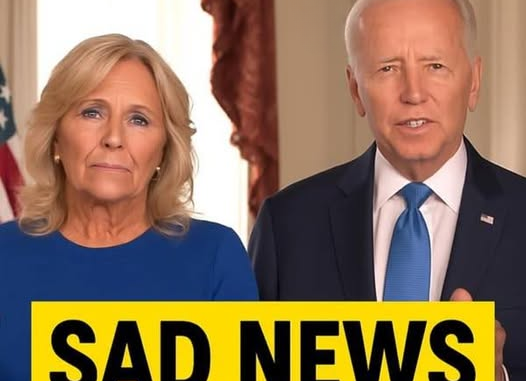
On July 24, 2024, Joe Biden delivered an emotional address from the Oval Office, announcing his decision to withdraw from the presidential race. Speaking with visible feeling, he framed the moment not as a retreat but as a thoughtful choice rooted in responsibility. Following months of public discussion about his age and scrutiny over his debate performance, Biden emphasized that his priority was the country’s stability and the strength of democratic institutions, highlighting that protecting democracy outweighed the pursuit of office.
Surrounded by family, including Jill Biden, he reflected on a life that had taken him from humble beginnings in Scranton to the nation’s highest office. His remarks were personal, touching on resilience, public service, and the unlikely path his life had taken. The intimate setting, combined with the presence of his loved ones, lent the announcement a sense of warmth and gravity beyond a typical political statement.
As part of the transition, Biden offered a strong endorsement of Kamala Harris, urging Democrats and voters across the country to unite behind her candidacy. This endorsement represented a major shift in the race and positioned Harris as the party’s central figure moving forward, carrying historic significance and signaling both continuity and change within the Democratic Party.
Responses to Biden’s decision were immediate and varied. Supporters praised it as an act of statesmanship, while critics interpreted it through a more strategic or political lens. In the following days, Biden continued his presidential duties, maintaining policy work and international engagements. His exit from the campaign did not mean stepping back from leadership, but rather marked a recalibration—setting the stage for a new chapter in U.S. politics while he completed his term.