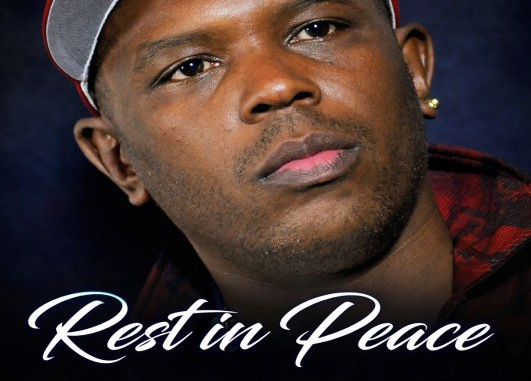
The global hip-hop community is mourning the loss of Oliver “Power” Grant, a key figure behind the rise of the Wu-Tang Clan, who has passed away at 52. Though his name wasn’t always in the spotlight, his influence was deeply embedded in the group’s success. While artists like Method Man, Ghostface Killah, and RZA captured global attention, Grant worked behind the scenes, helping turn a group from Staten Island into one of the most iconic brands in entertainment.
In the early 1990s, as hip-hop was still carving out its place in the business world, the Wu-Tang Clan emerged not just as musicians but as innovators. Grant played a crucial role in shaping this vision, recognizing early on that music could open the door to something much bigger. While others accepted traditional record deals, he helped pioneer a new approach centered on independence and long-term ownership.
One of his most significant contributions was helping launch Wu-Wear in 1995, a groundbreaking move in urban fashion. At a time when high-end brands largely ignored hip-hop culture, Wu-Wear became a symbol of self-made success. It showed that artists could extend their influence beyond music and build powerful business empires—an idea that would later shape the careers of figures like Jay-Z, Diddy, and Kanye West.
Members of the group, including GZA, have often acknowledged the importance of the collective’s business mindset during their early years. Grant wasn’t just managing talent—he was shaping a brand and a culture. Under his guidance, the Wu-Tang name expanded into film, gaming, and other ventures, allowing the group to maintain control over both their creative output and financial future.
His passing marks a significant loss for both fans and the industry. Though he rarely stood at center stage, his work formed the backbone of Wu-Tang’s lasting legacy. He was the strategist who made it possible for the artists to thrive creatively while the brand grew globally.
As tributes continue to pour in, it’s clear that Oliver “Power” Grant’s impact goes far beyond music. His legacy lives on not only in projects like Enter the Wu-Tang (36 Chambers), but also in the way modern artists approach business, ownership, and independence. He proved that true influence doesn’t always require the spotlight. Through his vision, the Wu-Tang Clan became more than a group—it became a lasting movement.