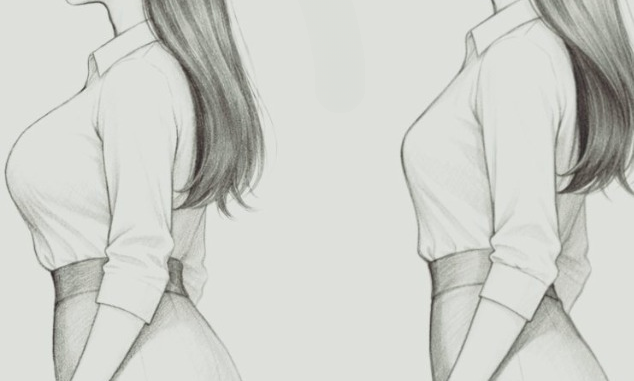
Breasts hold both biological and cultural significance, symbolizing femininity, motherhood, sexuality, and identity. Their size and appearance can influence a woman’s confidence, self-image, and how she relates to society.
Many women wonder why their breasts are smaller or larger than others—a question that can arise during adolescence and persist into adulthood. It’s important to recognize that breast size varies naturally, and there is no single standard of what is “normal.” Genetics largely determine size, as hereditary traits from parents and grandparents play a major role. Hormones, particularly estrogen, progesterone, and prolactin, also influence development, affecting fullness and shape throughout puberty, menstrual cycles, pregnancy, and menopause.
Body composition matters as well: breasts contain fatty tissue, so women with lower body fat—such as athletes or naturally slender individuals—tend to have smaller breasts. Age, pregnancy, breastfeeding, and menopause can all cause changes in breast size, shape, and firmness. Even within these differences, what is considered “small” on one person may appear proportionate on another. True medical concerns, like underdeveloped breasts (mammary hypoplasia), are rare; most smaller breasts are simply a normal variation.
Cultural and social pressures can significantly impact how women perceive their breasts. Media and advertising often emphasize larger breasts as ideal, affecting self-esteem and body image. While studies show some women with larger breasts report higher confidence, this is shaped by cultural perception rather than biology or health. Ultimately, breast size does not define femininity, attractiveness, or self-worth.
No diet, supplement, or cream has been proven to meaningfully increase breast tissue, though non-surgical methods like well-fitted bras, padded lingerie, certain clothing styles, and chest-strengthening exercises can enhance appearance. For more dramatic changes, surgical procedures such as implants or fat transfer exist, but these decisions are personal and should involve professional consultation.
Breast size is not a direct indicator of health. Smaller breasts do not imply poor health, nor do larger breasts guarantee wellness. Very large breasts can sometimes cause physical discomfort like back, neck, or shoulder pain, usually related to posture or overall body weight. Regardless of size, women should monitor for lumps, swelling, skin changes, discharge, or nipple inversion and maintain regular self-exams and professional screenings.
Lifestyle factors—balanced nutrition, regular exercise, sleep, and stress management—support overall wellbeing and indirectly influence breast health. Equally important is mental and emotional care: accepting body diversity, rejecting unrealistic beauty ideals, and cultivating confidence fosters resilience and wellbeing.
Breasts are naturally varied: they differ in size, shape, symmetry, and movement. Pregnancy, breastfeeding, and menopause naturally alter their appearance. Rather than comparing with others, women benefit from focusing on self-care, posture, chest strength, and confidence-building strategies. Supportive communities, friends, and media that celebrate body positivity can reinforce self-acceptance.
Medical consultation is important for persistent pain, lumps, swelling, or other abnormalities. Psychological support may help address body image anxiety or dysmorphia. True confidence arises from valuing oneself beyond physical attributes, including personality, intelligence, resilience, and emotional strength.
In conclusion, breast size is one aspect of a woman’s body, but it does not define beauty, strength, or worth. Health, self-acceptance, emotional wellbeing, and confidence matter far more than cup size. Women thrive when they embrace their unique bodies, prioritize health, and cultivate self-love rather than conforming to societal expectations.