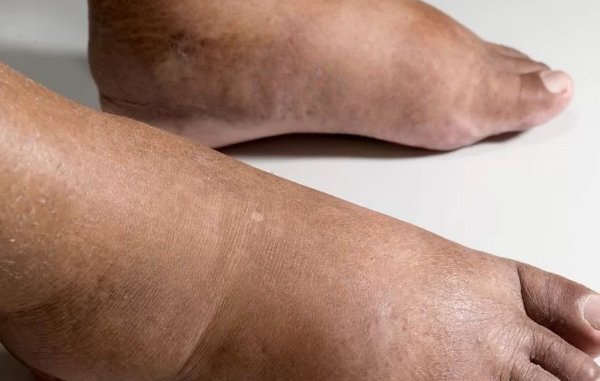
Swollen feet are a common issue that many people experience at some point, particularly after long periods of standing, sitting, or traveling. This swelling, which appears as puffiness around the feet or ankles, is caused by fluid accumulating in the surrounding tissues. In medical terms, it is referred to as edema. While often temporary and harmless, understanding the causes can help support overall health and wellbeing.
For many, swelling develops gradually. Shoes that once fit comfortably may start to feel tight, and the skin around the feet or ankles can appear stretched or slightly shiny. In some cases, pressing gently on the swollen area leaves a temporary indentation, known as pitting edema, which can assist doctors in evaluating fluid retention during a physical exam.
Lower leg swelling occurs because the feet are the lowest part of the body, meaning blood and fluids must work against gravity to return to the heart. Long periods of standing, sitting, or traveling can slow circulation, allowing fluids to pool in the tissues. Other factors, such as warm weather, dehydration, or certain medications, may also contribute to temporary swelling.
While occasional swelling is usually not serious, persistent or unexplained edema should be evaluated by a medical professional. Continuous swelling may indicate circulation issues, underlying health conditions, or lifestyle factors that need attention. Noticing early signs, maintaining an active lifestyle, and consulting a doctor when swelling persists are important steps to protect both foot health and overall wellbeing.