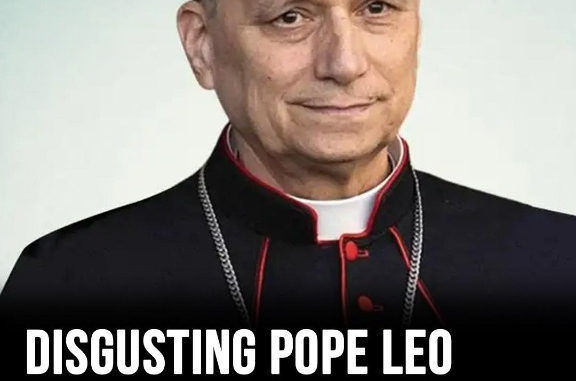
On the evening that white smoke rose above the Sistine Chapel—a traditional signal that a new pope had been elected—news of the decision spread rapidly around the world. Shortly afterward, Pope Leo XIV, formerly Robert Francis Prevost, appeared on the balcony of St. Peter’s Basilica to address the crowd. His election was historic, as he became the first American to lead the Catholic Church. In his opening remarks, he emphasized peace, unity, and compassion, highlighting humility and service as essential qualities for guiding the global faithful.
The choice of the papal name “Leo” carries significant historical weight. Previous popes with this name, such as Pope Leo I and Pope Leo XIII, were noted for tackling major social and theological challenges. Many observers interpret this selection as a signal of Pope Leo XIV’s commitment to moral leadership, dialogue, and thoughtful engagement with contemporary issues.
Born in the United States, Pope Leo XIV spent much of his pastoral career serving in Latin America. His experiences working with local communities helped shape a reputation for outreach, practical support, and close connection with congregations. Supporters suggest that this international background could allow him to balance the Church’s traditions with the evolving needs of Catholics worldwide.
Responses to his election have been mixed across political and cultural spheres. Some leaders and organizations quickly offered congratulations and hopes for unity, while others expressed questions about how his past positions might influence future Church discussions. As his papacy begins, both Catholics and global observers are watching closely to see how Pope Leo XIV’s leadership will guide the Church in the coming years.