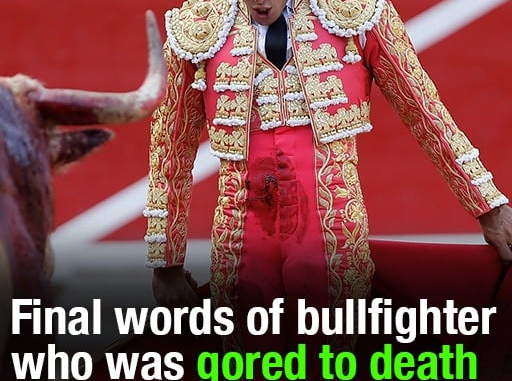
For years, Iván Fandiño was celebrated as one of the most fearless matadors in bullfighting. He gained respect for taking on the most challenging bulls—creatures that other performers often avoided—earning admiration within a centuries-old tradition that honors courage and showmanship. His career was marked not only by risk but also by dedication and discipline in an art form deeply tied to Spanish heritage.
That reputation carried him into the arena in Aire-sur-l’Adour, southwestern France, where a tragic accident occurred. Fandiño reportedly lost his footing after becoming entangled in his own cape, leaving him exposed. In the moments that followed, the bull struck with its horn, causing a severe injury that shocked both the audience and fellow performers. The atmosphere quickly shifted from excitement to alarm.
Fandiño remained conscious as he was carried from the ring, reportedly aware of the gravity of his injuries. Despite urgent medical attention, the injuries proved fatal. News of his death quickly spread throughout France and Spain, where bullfighting continues to provoke passionate cultural debate. Tributes poured in from fans who saw him as a symbol of bravery and devotion to tradition.
At the same time, the incident reignited discussions about the inherent risks of bullfighting. For supporters, Fandiño’s life illustrated the commitment required to uphold a historic cultural practice. For critics, his death highlighted the dangers of a spectacle built around human-animal confrontation. Today, his story serves both as a tribute to a daring performer and a reminder of the ongoing controversies surrounding one of Europe’s most debated traditions.