Your hands do far more than help with everyday tasks—they also act as one of your body’s first lines of defense. Every day, they are exposed to water, soaps, cleaning agents, temperature changes, and constant use. Most of the time, they manage this without any obvious problems.
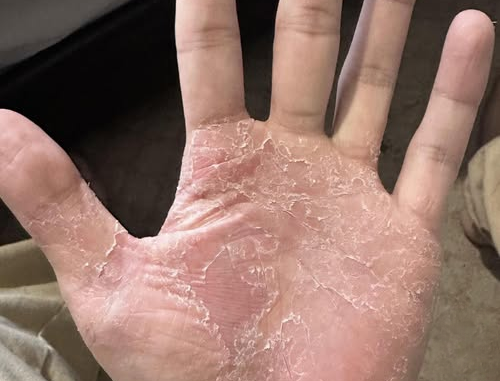
However, there are moments when your hands begin to show signs that something may be wrong. You might notice dryness, redness, itching, or even small cracks. Although these symptoms can seem minor at first, they may point to a condition known as hand dermatitis.
This is a common skin issue that can range from mild irritation to ongoing discomfort. The encouraging part is that with early attention and proper care, it can often be managed and sometimes prevented altogether.
Hand dermatitis usually develops due to a combination of factors rather than a single cause. Everyday exposure plays a big role. Frequent use of soaps, disinfectants, and cleaning products can strip the skin of its natural protective barrier, leaving it more sensitive over time. Repeated handwashing, while important for hygiene, can weaken the outer layer of the skin, making dryness and irritation more likely.
Spending long periods in contact with water can also increase the risk, especially for people working in environments like healthcare, food service, cleaning, or beauty industries. In addition, some individuals react to certain substances such as fragrances, preservatives, metals like nickel, or materials like latex. Those who already have skin conditions like eczema or psoriasis may notice symptoms appearing on their hands or becoming more intense. Environmental factors also matter—cold weather can dry the skin, while humidity can sometimes worsen irritation.
Because there are many possible triggers, it may take time to identify the exact cause. Recognizing early warning signs is therefore very important. These can include persistent itching, red or inflamed skin, dryness and cracking around the fingers or knuckles, peeling, sensitivity when touching objects, or rough, thickened patches. In more serious cases, swelling, pain, or signs of infection may develop and should be checked by a medical professional.
Taking care of your hands often relies on simple, consistent habits. Regularly applying a fragrance-free moisturizer helps restore the skin’s barrier, especially after washing. Choosing gentle cleansers with low irritation potential can also make a difference. Wearing gloves during cleaning or when handling chemicals reduces exposure to irritants, and using cotton liners can improve comfort.
It’s also helpful to be mindful of hand sanitizers, as frequent use can dry out the skin. Drying your hands thoroughly after washing—without rubbing too harshly—can prevent additional irritation. If certain products or materials seem to trigger a reaction, avoiding them can significantly improve symptoms.
While many cases can be managed at home, professional advice may be needed if symptoms continue, interfere with daily life, or worsen over time. A dermatologist may recommend treatments such as prescription creams, specialized skincare products, or other therapies depending on the severity.
Hand health is often overlooked until discomfort appears. Even mild irritation can make everyday activities more difficult, and ongoing skin problems can affect both comfort and confidence. Caring for your hands is not just about appearance—it plays an important role in overall well-being.
Early action is one of the most effective ways to prevent symptoms from becoming more serious. Small changes, like switching to milder products or moisturizing more often, can have a noticeable impact when done consistently. Ignoring early signs, on the other hand, may allow the problem to worsen and take longer to resolve.
Daily habits have a strong influence on skin health. Even details like water temperature matter—hot water can remove natural oils quickly, while lukewarm water is gentler on the skin. The way you dry your hands also matters, as rough rubbing can increase sensitivity. Gentle care and consistency help maintain the skin’s strength over time.
Skin conditions are not only physical—they can also affect how you feel. Ongoing irritation or itching can be frustrating and may even interfere with sleep or daily comfort. Taking care of your skin can improve both physical and emotional well-being.
Since everyone’s skin reacts differently, paying attention to patterns can be very helpful. You may notice that certain products, environments, or activities make symptoms worse. Identifying these triggers allows you to adjust your routine more effectively. In some cases, testing for specific allergies can provide additional clarity.
Building a simple routine can go a long way. Washing with a gentle cleanser, drying carefully, moisturizing immediately afterward, and using protection when needed can significantly reduce irritation. Keeping a moisturizer nearby makes it easier to stay consistent.
Caring for your hands is an ongoing process. As seasons change and routines shift, your skin’s needs may also change. Colder months may require richer moisturizers, while warmer weather may call for lighter options. Being aware and flexible helps maintain healthy skin throughout the year.
Your hands are constantly working for you, often without much attention in return. When they show signs of irritation, it’s important to take notice. Conditions like hand dermatitis are common, but with proper care and awareness, they don’t have to become long-term issues.
By making small, thoughtful changes and responding early to symptoms, you can protect your hands and support your overall health.