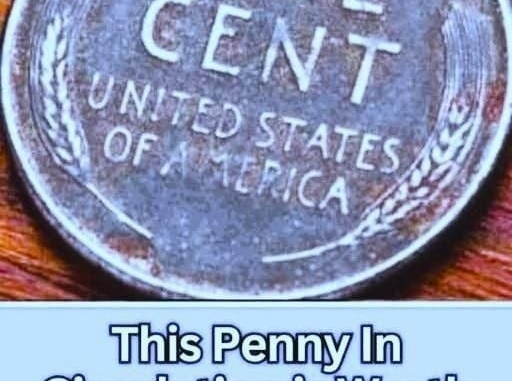
Most of the coins we handle every day go unnoticed—pennies tossed into jars, left in pockets, or forgotten in drawers rarely seem important. Yet, in rare cases, a single coin can hold remarkable value. One such example is the 1943 copper penny, an unusual wartime error that has become one of the most prized finds in coin collecting, sometimes selling for tens of thousands of dollars.
During World War II, copper was in high demand for military use, including ammunition and equipment. To conserve resources, the U.S. Mint changed the composition of pennies in 1943, producing them from zinc-coated steel instead of copper. However, a small number of copper blanks were mistakenly left in the minting machines. These blanks were struck with the 1943 design, creating a rare error coin that looked similar to standard pennies but was made from copper.
The value of the 1943 copper penny comes from several key factors. First is its extreme rarity—only a few are believed to exist. Condition also plays a major role, as well-preserved coins are worth significantly more. Its historical background adds to its appeal, linking it directly to wartime production changes. Finally, strong demand from collectors ensures that these coins remain highly valuable. Some authenticated examples have sold for more than $85,000 at auction.
Because of this high value, many counterfeit versions exist. Some are steel pennies coated with copper, while others are altered coins from different years. Identifying a genuine example requires careful attention. One simple test involves using a magnet: steel pennies will stick, while real copper ones will not. Still, professional verification is essential. Organizations like Professional Coin Grading Service and Numismatic Guaranty Corporation specialize in confirming authenticity and assigning value.
Although extremely rare, these coins are not limited to museums or elite collections. Some have been discovered in old family collections, jars of loose change, or items passed down through generations. Checking inherited coins, browsing estate sales, or examining forgotten savings can occasionally lead to surprising discoveries.
Beyond financial value, finding such a coin can be an emotional experience. For collectors, it represents a direct connection to history—a small object that has survived decades and carries a unique story. It reflects both a moment in time and the element of chance that led to its creation.
For those interested in coin collecting, learning about history and common minting errors is a good starting point. Simple tools like magnifiers, scales, and magnets can help with initial evaluations, but expert verification is always recommended. Connecting with other collectors or joining numismatic communities can also provide useful insights and opportunities.
More than just a valuable object, the 1943 copper penny is a reminder of how even everyday items can hold extraordinary stories. Created by accident during a time of global conflict, it has become a symbol of rarity, history, and discovery. For anyone sorting through old coins, it serves as a reminder that something truly valuable might be hiding in plain sight.