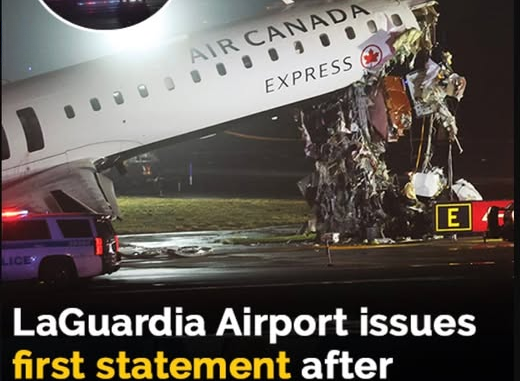
In just a matter of seconds, a routine arrival from Montreal turned into a tragic accident on Runway 4 at LaGuardia Airport. An Air Canada Express plane, taxiing at a slow speed, struck a fire truck that had entered the same runway. Air traffic controllers are said to have urgently warned the vehicle to stop, but there was no time to prevent the collision. The crash resulted in the deaths of two pilots and left many passengers and emergency responders injured, turning an otherwise ordinary evening into one of shock and loss.
In the immediate aftermath, the airport became the focus of a large-scale emergency response. Flights were suspended, operations were disrupted, and rescue teams worked through the night to aid the injured and secure the area. For everyone involved—both on board and on the ground—the incident happened suddenly, a chain of events that unfolded too quickly to be stopped.
Now, the focus has shifted to determining how such an incident could happen in a highly regulated aviation environment. Investigators from the National Transportation Safety Board will review all aspects, including air traffic control instructions, ground vehicle access, and standard procedures. The key issue is not only what went wrong, but how safety measures failed to prevent two authorized movements from occupying the same runway at once.
For the families of the victims, survivors, and the public, answers cannot reverse the tragedy. However, understanding what happened is crucial. Aviation safety has long improved through the investigation of serious incidents, and this case will be no different. The goal is that, through careful analysis and accountability, meaningful changes will be made to reduce risks and help prevent similar events in the future.