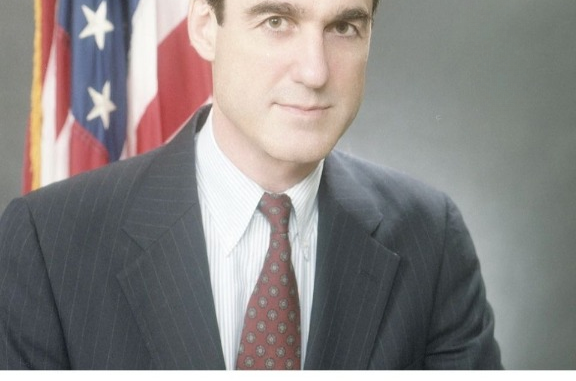
Robert Mueller’s career was defined by service, discipline, and a strong commitment to American public institutions. From his military service in Vietnam to his extensive work as a federal prosecutor and law enforcement official, he became known for a leadership style rooted in consistency rather than charisma. His public persona was characterized by restraint—carefully chosen words, formal demeanor, and a calm presence during periods of national tension. Over time, this reserved approach led many to project their own expectations onto him, particularly during moments of heightened political pressure.
To better understand his legacy, it is helpful to frame his career in terms of responsibility rather than public spectacle. Mueller frequently held positions that required caution, patience, and strict adherence to procedure, even when public opinion demanded clear answers or dramatic outcomes. This made him appear reliable to some, while others viewed him as overly guarded or difficult to interpret. In an era that often values bold statements, his commitment to institutional process both strengthened his credibility in certain circles and drew criticism in others when his actions did not align with political expectations.
A defining and widely discussed period of his career was the investigation into Russian interference in the 2016 U.S. election. During this time, his work became subject to contrasting interpretations. Some saw him as a careful and principled official operating within legal and constitutional limits, while others felt he did not provide the level of clarity or accountability they anticipated. This divide highlights a broader truth: large-scale investigations rarely resolve complex political disputes in a way that satisfies all perspectives. Even with public reports and extensive analysis, many internal deliberations and unanswered questions remain beyond public view.
Ultimately, Mueller’s legacy also reflects the nature of institutional systems—their strengths and their limitations. While such systems endure through established procedures, documentation, and continuity, individual judgments and private considerations often remain inaccessible. His career presents an example of dedication, professionalism, and restraint, along with an important takeaway: public service can influence history, but it does not always provide the definitive conclusions or closure that people may hope for.