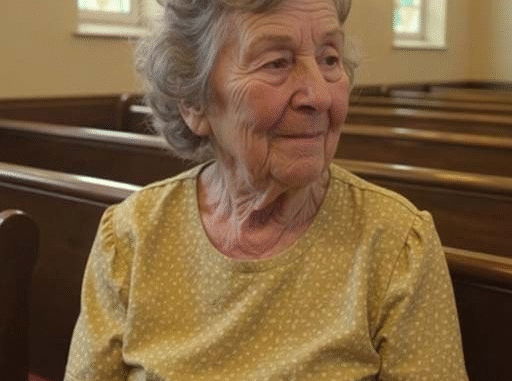
My grandmother Valerie had a quiet, unwavering faith. For nearly fifty years she served her church in every way imaginable—cooking meals, leading the choir, caring for grieving families, and doing all the small, thankless tasks no one else thought to do. She never wanted praise. She simply believed serving others was serving God.
But when she grew sick—bone cancer, cruel and fast—the church she had devoted her life to abandoned her. The pastor offered empty words. The members who once clung to her kindness were suddenly too “busy” to visit. The church committee even removed her for “inactivity.” She asked only for small help: a meal, a visit, a bit of support with medical bills. Instead, she received a cold letter saying they could do nothing.
She bore the neglect quietly, with more grace than they deserved. Two months later, she passed away.
At her funeral, the same people who ignored her wept as if they had loved her well. I said nothing then, but I knew the truth: they had failed her when it mattered.
Weeks later, we gathered for the reading of her will. The church, expecting a generous gift, listened closely as the lawyer read her final condition: they would receive the remainder of her estate only if they created a fund to support elderly members in need—and contributed 25% of the money themselves. Otherwise, everything would go to the women’s shelter in honor of my grandfather.
The church stalled. Argued. Did nothing.
So, a year later, the entire estate went to the shelter. They used it to build a new wing: The Valerie Greene Community Center. Standing at the dedication, I said, “Faith isn’t about sermons. It’s about how you treat people when they need you.”
The church later created the care fund anyway—not for money, but because her final act forced them to face what they had become.
Valerie didn’t choose revenge. She chose truth and compassion. And even in death, she changed more lives than the church ever did.
Sometimes the quietest woman leaves the loudest legacy.