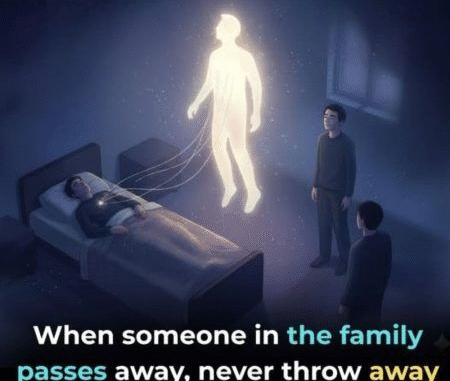
Losing someone you love changes life in ways you can’t predict. It’s a hollow, disorienting pain that makes even small choices feel overwhelming. When sorting through a loved one’s belongings, it’s tempting to move quickly, telling yourself it’s just “stuff” and holding on only prolongs the grief. But some items carry more than material value—they hold memory, presence, and love that lingers long after they’re gone.
Here are four types of things you should never rush to part with:
1. Letters and Notes — Preserving Their Voice
Handwritten notes, cards, or even small scraps of paper capture more than words—they carry personality, tone, and the rhythm of a life lived. A signature, a doodle, a familiar closing line—they all bring someone back in an instant. Even old emails, text messages, or voicemails can become priceless reminders of their voice and affection. Keep them carefully, because in moments of grief, reading these words can be a lifeline.
2. Photographs — Moments Frozen in Time
Photos do more than show appearances—they capture spirit, emotion, and fleeting expressions. Physical photographs, albums, or framed pictures carry weight that digital files often cannot. They tell stories, preserve history, and connect you to your roots. Labeling names, dates, and places ensures these memories can be shared and treasured by future generations.
3. Heirlooms and Keepsakes — The Touch of a Life Lived
Objects can carry the energy of those who once held them. A wedding ring, a well-worn sweater, a recipe book with fingerprints—they hold stories, love, and time. These items don’t need monetary value; their significance comes from the connection they hold. Passing these on keeps memories alive and transforms personal history into a living family legacy.
4. Personal Documents — Chronicles of a Life
Diaries, journals, certificates, and recipe collections reveal identity and lived experience. They tell how a person thought, created, cared, and grew. Even brief notes or lists offer glimpses into their personality and priorities. Preserving them honors their life and keeps the story complete.
Making Choices in Grief
Immediately after a loss, it’s normal to want to clear everything away. The sight of their belongings can feel unbearable. Allow yourself to pause. Box up items you’re not ready to face, and return to them later. What feels painful now may later bring comfort and connection.
Carrying Their Legacy Forward
Grief never truly ends, but it becomes woven into life. The letters, photos, keepsakes, and documents you preserve become bridges to your loved one. They are evidence that love endures. When years pass and memories blur, these treasures remain steady reminders of the bond you shared.
In holding on to these things, you aren’t clinging to the past—you’re keeping yourself whole, carrying forward love that never fades.