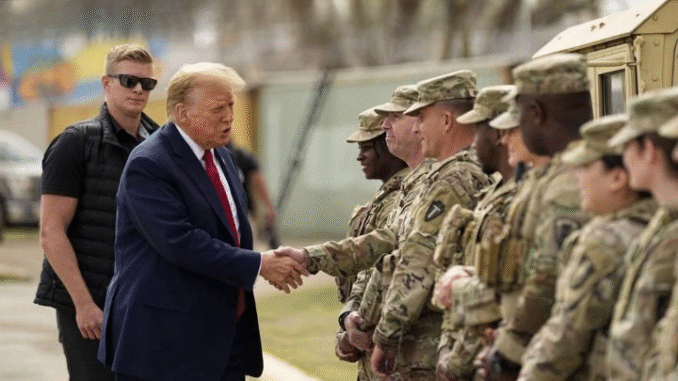
The U.S. Department of Defense has confirmed that roughly 200 Marines have been deployed to Florida to support U.S. Immigration and Customs Enforcement (ICE), a move that has sparked national debate. The deployment is part of a broader federal effort to assist states like Florida, Texas, and Louisiana, which are facing heavy immigration-related workloads.
Officials stress that these Marines are not involved in enforcement or policing. Instead, they are providing logistical and administrative help inside ICE detention facilities—managing supplies, organizing data, coordinating transportation, and supporting operations behind the scenes. This approach allows ICE officers to focus on tasks requiring law-enforcement training while keeping the Marines within the limits of the Posse Comitatus Act, which prohibits military involvement in domestic policing.
Military assistance to civilian agencies is not new; similar support has been provided during natural disasters, public health crises, and other periods when federal agencies were overwhelmed. Still, the presence of uniformed service members near immigration operations has alarmed critics, who argue it could intimidate immigrant communities or blur the lines between military and civilian authority. Supporters say the extra manpower is necessary to keep facilities running safely and efficiently.
The deployment has triggered a mix of public reactions. Some worry about militarization of immigration enforcement, while others see it as a reasonable solution to staffing shortages and rising operational demands.
While the Marines will not interact with detainees or carry out arrests, their assistance is expected to help alleviate strain on ICE facilities by improving organization, resource management, and daily operations. Analysts note that the move reflects larger debates about how the U.S. handles immigration, the role of the military in domestic matters, and how federal resources should be used.
In the end, the deployment highlights the balancing act between operational need, legal constraints, and public perception—an ongoing challenge in shaping immigration policy and enforcement across the country.