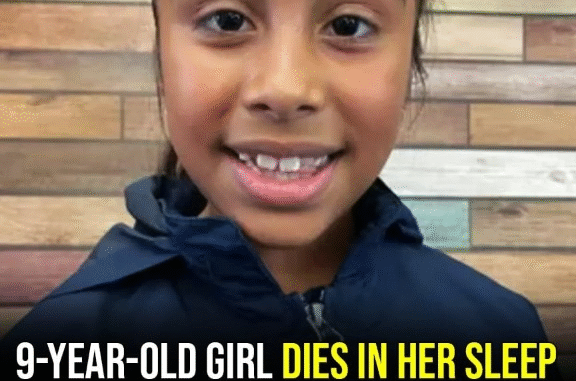
A trip to the dentist was supposed to finally bring nine-year-old Silvanna Moreno some relief after months of painful dental problems. Instead, it became the start of a tragedy her family never imagined. What should have been a long but routine procedure at a Vista, California dental clinic ended with Silvanna losing her life only hours after she went home, leaving her parents heartbroken and the community in disbelief.
Silvanna had been struggling with worsening tooth pain since late 2024. After multiple appointments and little improvement, she was referred to Dreamtime Dentistry for extensive restorative work: a root canal, a crown, and the removal of several damaged teeth. Her family trusted the clinic and believed the treatment would finally end her suffering.
On March 18, her mother brought her in for the scheduled procedure. It lasted about three hours, and everything appeared normal. Staff completed the work, monitored her recovery, and eventually sent her home with standard instructions. No one suspected anything was seriously wrong.
What the clinic didn’t know was that Silvanna had developed a fever the day before. Her mother treated it with Tylenol, it went down, and—amid rushed paperwork and pre-procedure questions—it wasn’t disclosed. The clinic later said the signed forms indicated she was not sick. What felt like a minor detail to her mother may have been far more serious than anyone realized.
Once home, Silvanna didn’t bounce back the way she should have. She stayed unusually tired, her breathing shifted, and within hours her condition worsened dramatically. By the time her family realized the danger, everything happened too fast to stop. Silvanna passed away later that day.
Her parents were shattered. No one expects a routine dental visit to end in the loss of a child.
Questions quickly turned toward Dreamtime Dentistry, especially since the clinic had faced scrutiny in a previous incident involving another patient. Concerns resurfaced about sedation protocols, safety procedures, and whether anything could have been caught earlier. The clinic maintained that they had followed guidelines based on the information provided.
Medical experts noted that a fever can be a sign of an underlying infection, and sedation can sometimes intensify complications—especially in children. None of that eased the devastation for Silvanna’s family, who were left searching for answers, trying to understand how their daughter went from sitting in a dental chair to being gone before morning.
The case spread across Southern California, prompting conversations among parents, pediatric dentists, and regulators. People demanded clarity: What exactly went wrong? How can similar tragedies be prevented? The situation highlighted the importance of reporting even minor symptoms before any procedure and renewed calls for stricter oversight of pediatric dental sedation.
Through it all, the focus remained on a little girl whose life should have been just beginning. A child who woke up expecting nothing unusual, and a mother who thought she was doing the right thing.
A fever. A form. A dental appointment. A few hours that changed everything.
As investigators work to piece together the full story, her family continues to grieve and seek the truth—hoping that what happened to Silvanna will lead to better safeguards and spare another family the same unimaginable loss.