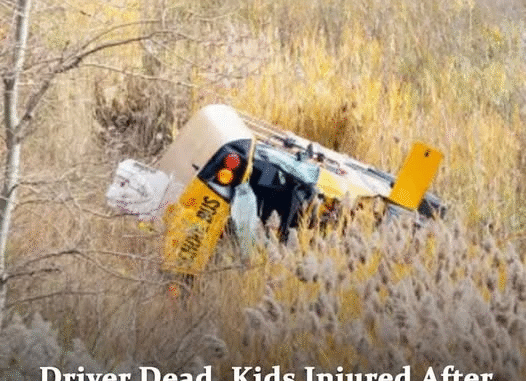
Eight years have passed since Tanzania endured one of the most heartbreaking mornings in its recent history — a tragedy so profound that the country still recalls it with grief and disbelief. On May 6, 2017, a school bus carrying students from Lucky Vincent Primary School in Arusha slid off a rain-slicked mountain road in Karatu and plunged into a ravine. Thirty-two children, two teachers, and the driver lost their lives. The impact was immediate and overwhelming, as if an entire nation paused in anguish, struggling to understand a loss of such magnitude.
The students had been on their way to sit for a mock national exam, a milestone they had prepared for with excitement and determination. Their teachers had guided them carefully, parents had encouraged them, and the school had proudly organized the trip. No one imagined that a day meant to celebrate progress and academic promise would instead become a national tragedy remembered for its depth of sorrow.
That morning, steady rainfall had made the mountain roads especially treacherous. The sharp curves and steep drops in the Karatu region are challenging even in clear weather, and visibility deteriorated quickly. Early accounts explained that the driver tried to navigate a particularly slick section when the bus skidded out of control, broke through a barrier, and fell into the ravine below. The impact was devastating. Emergency teams raced to the scene, but the damage was beyond anything they could reverse.
Families were called. Communities gathered. Images from the site — twisted metal, scattered belongings, and the haunting stillness after the crash — were almost impossible to absorb. Tanzania mourned not only individual young lives but the collective potential they carried: children who might have become innovators, caregivers, leaders, and pillars of their communities had been lost in an instant.
In the days that followed, the nation united in sorrow. Leaders offered condolences, and places of worship opened their doors for vigils and prayer. Counselors supported families grappling with shock so deep it defied words. Even now, the names of the victims are spoken with reverence, preserved in the country’s shared memory like the names of young heroes.
Each anniversary brings a resurgence of emotion. Parents return to gravesites. Teachers recall students whose absence is still felt. The school has built memorials, ensuring the children’s stories endure. For those who survived — whether by chance or because they weren’t on the bus that day — the pain never fully lifts, but it fuels efforts to improve safety and transportation standards so that no family faces the same tragedy.
In 2025, republished reports brought renewed attention to the accident, especially among younger Tanzanians who were too young to remember it directly. The coverage revived not only grief but also the lessons learned. The government strengthened oversight of school transportation, enhanced driver training, and prioritized infrastructure improvements in areas like Karatu. These steps came too late for the victims, yet they embodied a national promise: such a tragedy must never be repeated.
The emotional resonance of the accident extended far beyond Tanzania. International partners who had once supported Lucky Vincent Primary School reached out with grief and solidarity. Some created scholarships in the children’s memory; others donated resources or funded school improvements. The story touched hearts worldwide because it reflected a universal truth: the well-being of children is a responsibility shared across humanity.
But the deepest pain remained with the families. Many spoke of the small daily moments they missed — the laughter, the schoolwork, the footsteps through the house. Some could not bring themselves to move school uniforms or books still resting where their children had left them. Healing came slowly, unevenly, often carried by community support or faith, but the loss reshaped every part of their lives.
Eight years on, the grief is quieter but still present. Memorial gatherings, flowers, and candles mark each anniversary. Families, survivors, and community members stand together, honoring the children not only through remembrance but through a shared commitment to safer roads and better protections for students. Their legacy is one of heartbreak, but also one of unity and determination.
Today, when people speak of the Karatu bus tragedy, they speak of more than an accident. They speak of resilience, reform, and the fragility of life. They remember thirty-two bright young lives whose potential continues to shape the nation’s conscience. And they recognize how one rain-soaked morning reshaped Tanzania’s resolve to safeguard its children.
Eight years later, the memories are still vivid, the lessons remain urgent, and the children are still honored. They live on through their families, their school, and a nation forever changed by a tragedy that will never be forgotten.