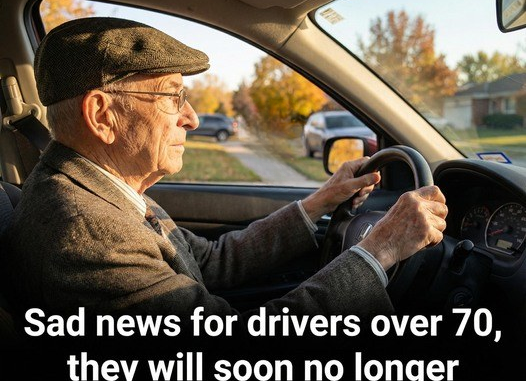
The debate over whether drivers over 70 should undergo regular evaluations is growing worldwide. Aging doesn’t automatically make someone unfit to drive, but natural changes—slower reactions, reduced vision or hearing, and difficulty multitasking—can affect safety. The goal isn’t to remove seniors from the road, but to help them drive safely for as long as possible.
The recent tragedy in La Rochelle, where an elderly driver mistakenly entered the wrong lane and hit a group of children, reignited this conversation. Accidents can happen at any age, but this incident highlighted how gradual declines in ability can go unnoticed by the driver themselves.
Driving represents independence, dignity, and freedom for older adults. Losing that can be devastating. Yet safety for all road users must also be considered. Data from France’s Road Safety Authority shows that drivers over 75 are involved in a similar number of accidents as 18–24-year-olds, though for very different reasons—young drivers take risks, while older ones face physical limitations.
France does not require retesting based on age, unlike countries such as Germany, Italy, or the Netherlands, where routine medical checks or vision tests are mandatory for older drivers. With populations living longer, finding a balanced approach is becoming increasingly important.
Families often notice early signs of decline—hesitation, misjudged turns, confusion in traffic—but these conversations are difficult. Supportive policies could help: voluntary refresher courses, accessible medical screenings, and clear guidelines for healthcare providers. Better public transportation and senior mobility programs can also ease the transition for those who eventually must stop driving.
The key questions remain: Should age alone trigger retesting, or should assessments be based on medical and cognitive factors? Should the process be voluntary or mandatory? There’s no simple answer.
What’s clear is that the issue can’t be ignored. Older drivers bring valuable experience, but experience can’t fully offset physical decline. The aim is not to shame or sideline seniors, but to give them the tools to stay safe behind the wheel—while protecting everyone on the road.
In the end, the discussion is about dignity, safety, and helping all drivers, young and old, get home safely.