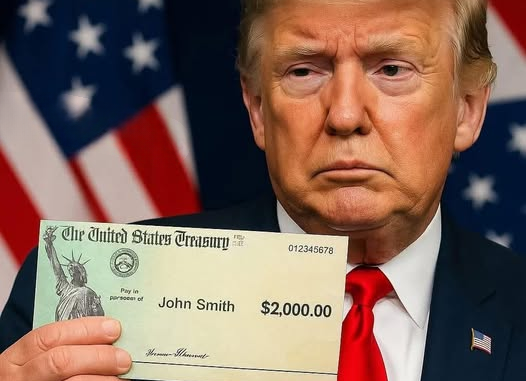
Former President Donald Trump sparked intense political and economic debate after announcing a proposed “national dividend” — a $2,000 cash payment to most Americans, funded entirely through new tariffs on imported goods. Supporters embraced the idea as a bold way to help struggling families and redirect money they believe has long flowed to foreign competitors. They see it as a direct benefit for working households and a way to protect U.S. industries.
Critics, however, argue that large tariffs act like hidden taxes. They warn that higher import costs would likely be passed to consumers, making everyday items more expensive and reducing the real value of the dividend. Economists also caution that trading partners could retaliate, hurting American exporters and potentially leading to job losses or supply-chain problems.
Beyond the economics, the plan raises serious political and logistical questions. A tariff-funded dividend would require congressional approval, consistent revenue, and a reliable method to distribute payments. Without stable funding or clear guidelines, the program could become unpredictable for families who depend on it.
Still, the proposal has pushed a broader conversation about wealth inequality and the financial pressures faced by American households. Supporters see it as an innovative attempt to give citizens a more direct share of national wealth, while skeptics fear it risks higher prices, unstable trade relationships, and a policy that might not survive long-term.
Whether or not it becomes law, Trump’s proposal has already shifted public discussion toward deeper questions about fairness, opportunity, and what the government owes its people in an increasingly expensive and competitive world.