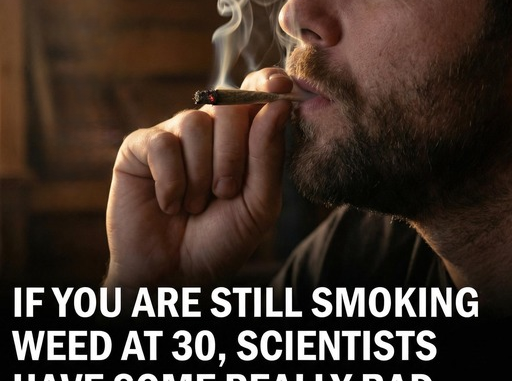
If you’ve seen recent headlines about cannabis use after age thirty, you’ve probably noticed how dramatic and oversimplified they are. But scientists aren’t sounding alarms—they’re offering context. Their research focuses on long-term habits, lifestyle balance, and how adulthood changes the way people use and respond to cannabis. The goal isn’t to shame anyone, but to help adults make choices that support their lives and responsibilities.
By the late twenties and early thirties, people typically settle into routines that stick—work becomes more demanding, responsibilities increase, and personal goals become clearer. Scientists emphasize that whatever habits someone carries into this phase, including cannabis use, can become ingrained without much thought. Their research looks at how long-term use interacts with this stage of life, not through stereotypes, but by studying patterns related to sleep, stress, motivation, and daily consistency. The message isn’t fear—it’s awareness. It’s an encouragement to ask whether a habit still serves you.
Researchers also note that adults use cannabis for very different reasons—relaxation, socializing, easing anxiety, or simply enjoyment. They aren’t claiming all use is harmful; instead, they study patterns like frequency, intention, and whether the habit is conscious or automatic. They suggest adults check in with themselves: Is this still helping? Is it becoming my only coping tool? Is it replacing other forms of relief?
This reflection isn’t about morality, but about well-being. Just like someone might reassess caffeine intake or late-night screen habits, cannabis use is another area where intention matters.
One focus of current research is stress. Life in your thirties often brings heavier workloads and more complex decisions, and many adults use cannabis to unwind. While it can help, researchers point out that relying solely on cannabis may leave deeper stressors unaddressed. They recommend developing a variety of coping strategies—exercise, therapy, creativity, or strong social support.
Motivation is another topic. The old stereotype that cannabis kills drive is exaggerated, but heavy, long-term, daily use—especially starting young—can correlate with reduced momentum for some people. Scientists aren’t predicting this outcome for everyone; they’re simply showing how certain patterns of use can influence focus, productivity, and long-term goals.
Across the studies, one theme stands out: moderation and intention matter. Effects vary widely based on dose, frequency, genetics, environment, and emotional state. Two adults with similar use may have completely different outcomes, which is why sweeping warnings don’t help. Honest self-reflection does.
Researchers say that entering your thirties naturally invites a reassessment of daily choices. Some adults scale back their use; others adjust how and when they use it. Being intentional often improves the experience rather than eliminating it.
The real message from scientists isn’t “quit.” It’s “pay attention.” Long-term well-being comes from mindful habits, not automatic ones. Cannabis can be part of a healthy adult life, but the key is awareness.
This is the nuance sensational headlines ignore. Scientists aren’t predicting doom—they’re giving adults the information they need to make decisions that match the life they’re building.
Ultimately, research suggests a simple truth: your thirties are a turning point. A time when clarity matters and self-reflection pays off. Your future isn’t dictated by past habits. And it’s never too late to reshape your routines with balance, intention, and a clearer understanding of what helps you grow.