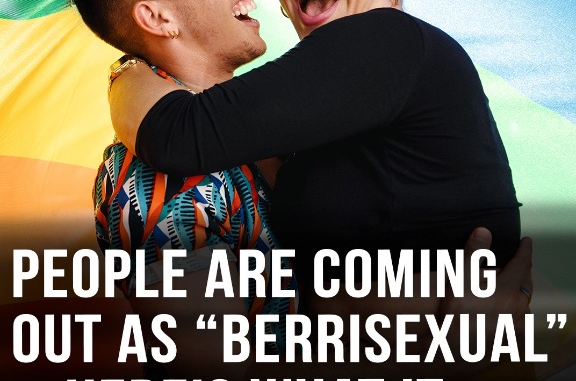
For years, many people struggled to define their feelings, trying on existing labels like ill-fitting clothes—sometimes close, often frustrating, never quite right. They felt half-seen, half-valid, and unsure if they were “allowed” to exist as they truly were.
Then a new term quietly appeared online: berrisexual. At first, it was niche, joked about in forums, subreddits, and fandom spaces. But for some, it clicked instantly. Suddenly, there was a word that captured what they had felt all along—a fluid, shifting attraction that didn’t fit neatly into existing categories.
For those who identify as berrisexual, the label provides clarity and validation. It doesn’t confine them—it gives them permission to exist authentically within their complexity. It’s less about creating divisions and more about accurately expressing personal experience.
Communities online—Reddit threads, queer wikis, TikTok—show people sharing relief, joy, and recognition. For many, berrisexual feels like a long-sought home in language, a tool that finally fits instead of cutting. It’s a reminder that identity is nuanced, attraction is fluid, and language must evolve to reflect that.
Critics argue micro-labels are unnecessary, but history shows every now-common queer term—from bisexual to pansexual to demisexual—was once dismissed. Labels expand because people expand, and berrisexual is the latest example: a word born from lived experience, offering validation, understanding, and relief to those who needed it most.
For those who identify with it, berrisexual isn’t a trend—it’s a lifeline, a word that finally makes sense of feelings they’ve carried for years. It shows that language evolves to meet the needs of people, not the other way around.