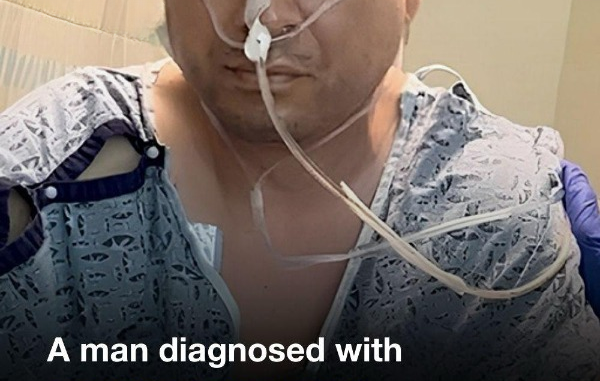
What if you had worked hard to improve your health, only to find out something serious was developing quietly inside your body? That’s what happened to 41-year-old California father Mark Sevillano Jr. His story is a powerful reminder that even small, persistent symptoms deserve attention.
Mark believed he was finally on the right track. He exercised regularly, ate better, and built a calmer, more intentional life. Yet, beneath these healthy habits, his body was signaling that something was wrong. What began as mild indigestion soon turned out to be a much deeper issue—one that would challenge his strength, faith, and trust in the healthcare system.
The years before 2024 were challenging for Mark. A painful divorce left him emotionally and financially drained while raising two children and returning to school. Despite the pressure, he earned his degree and began a fresh start. He committed to regular workouts, balanced meals, and mindfulness. Friends noticed a brighter, lighter Mark. Life finally felt hopeful.
But as his outward life improved, a hidden health battle quietly unfolded.
The earliest warning sign seemed minor: certain foods felt like they were sticking in his throat. Mark assumed it was ordinary acid reflux or irritation. A few sips of water usually helped, so he ignored it. Over time, swallowing became increasingly difficult, even with soft foods. Mealtimes became stressful, and he began losing weight—not from his healthier lifestyle, but because eating had become uncomfortable and concerning.
For older adults, this part is critical. Many seniors notice changes in swallowing or digestion and dismiss them as “just age.” But subtle symptoms can signal something serious.
Eventually, Mark consulted his doctor. On paper, he looked low-risk—relatively young, active, and committed to healthy living. His concerns were dismissed as likely reflux, and a swallowing test was ordered without urgency. Symptoms minimized, tests delayed, and concerns ignored are common experiences, especially for seniors. Ignoring small signs today can become a major health crisis tomorrow.
As his pain worsened, Mark followed his instincts and went to the emergency room—an action that ultimately saved his life.
Scans revealed a mass in his esophagus. Soon after, he heard the words no one wants: esophageal cancer. His weight loss, previously attributed to a healthier lifestyle, was actually a warning that his body was under attack.
By October, surgery became unavoidable. Surgeons removed nearly 15 centimeters of his esophagus along with a tumor the size of a strawberry. They reconstructed a new passage using part of his intestine, giving him a chance at survival. Recovery was painful and slow, but Mark stayed focused on what mattered most: being there for his children.
Surgery was just the beginning. Chemotherapy brought fatigue, side effects, and lifestyle changes. Financial strain added another layer of stress, highlighting the importance for older adults to understand health coverage, Medicare, and supplemental plans before crises occur. Despite challenges, Mark persevered through months of treatments, follow-ups, and scans, holding onto hope.
Today, Mark is in remission. Doctors will monitor him closely for at least five years, but he faces the future with gratitude and a renewed perspective on health. His message is clear:
Don’t ignore what your body is trying to tell you.
Don’t stop asking questions if something feels wrong.
Don’t let a quick dismissal silence your concerns.
For seniors, this advice is particularly important. It’s easy to attribute aches, pains, or changes to aging. But sometimes, those minor annoyances are early warning signs of a condition that can be treated if caught in time.
Pay attention to subtle changes. Difficulty swallowing, unexplained weight loss, persistent fatigue, or new digestive issues require attention.
Seek another opinion if your symptoms are dismissed. A second perspective can be life-saving.
Understand your coverage. Knowing your insurance, Medicare, or private plan reduces stress when serious illness strikes.
Prioritize preventive care. Regular checkups, screenings, and open communication with healthcare providers help catch problems early.
Mark’s journey began with a small, easily overlooked symptom and led to a major diagnosis—and, thankfully, a second chance at life.
For seniors, his experience is a firm reminder: trust your body, advocate for yourself in medical settings, and take your health seriously. Life is precious at every age. Listening to your body, speaking up when something feels wrong, and ensuring medical and financial support can mean more time with loved ones and many more years of independence and joy.