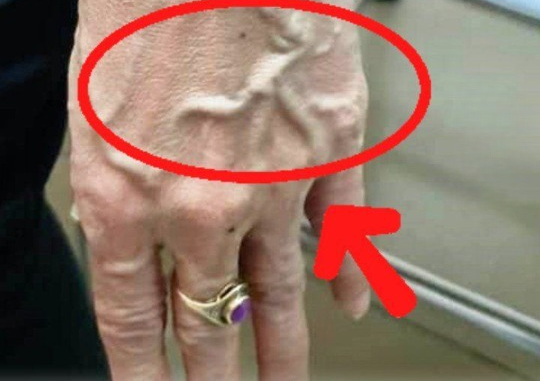
Most people rarely notice their veins until they suddenly appear darker, thicker, or more prominent. While visible veins are usually harmless, changes can reflect factors like body composition, circulation, aging, hormones, or lifestyle habits.
Veins carry blood back to the heart and often lie close to the skin, making them sensitive to hydration, temperature, exercise, body fat, and posture. Athletes or people with low body fat may notice more visible veins, which can also temporarily enlarge during workouts or in heat. Aging, genetics, and thinner skin further make veins easier to see over time.
Some vein changes are cosmetic, but others can indicate health issues. Chronic venous insufficiency, varicose veins, and clot-related conditions like superficial thrombophlebitis or deep vein thrombosis require attention, especially if accompanied by swelling, pain, or skin changes. Temporary triggers like exercise, dehydration, or hormonal shifts can also make veins more noticeable.
Lifestyle measures—regular movement, healthy weight, hydration, and compression stockings—can improve appearance and circulation. For persistent cosmetic concerns, treatments like sclerotherapy or laser therapy are options.
In most cases, visible veins are normal, but sudden, painful, or unexplained changes should prompt medical advice to ensure long-term health.