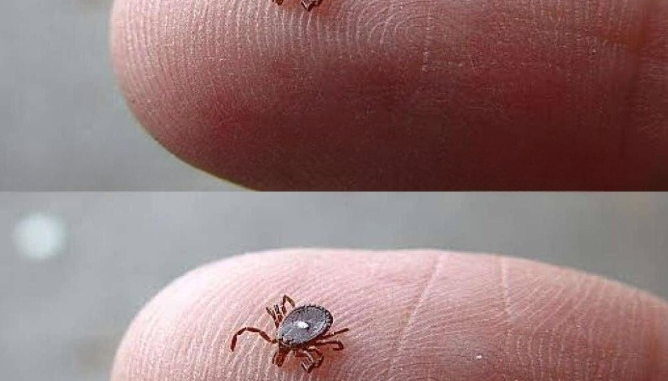
A sunny afternoon in the suburbs can feel peaceful—until a tiny, dark speck clings to your skin: a lone star tick, identifiable by its single white dot. Unlike mosquitoes, these ticks actively hunt mammals and can carry diseases like STARI or Alpha-gal syndrome, which can trigger serious allergies.
If you find one attached, use fine-tipped tweezers to grasp it close to the skin and pull upward steadily—avoid twisting to prevent leaving parts behind. Clean the area with soap and alcohol, and save the tick in a sealed container for identification if needed. Note the bite date and location, as symptoms like rashes, fever, fatigue, or joint pain can appear later and require prompt medical attention.
Prevention is key. Wear long pants tucked into socks, use DEET or permethrin-treated clothing, and keep lawns trimmed with debris cleared. Creating dry buffer zones between your yard and wooded areas helps keep ticks at bay.
Being tick-aware isn’t about fear—it’s about preparedness. By learning to identify, remove, and prevent tick encounters, you can enjoy the outdoors safely, keeping both yourself and your pets protected while maintaining peace of mind.