Rama Duwaji’s transition from the quiet, intimate world of her Brooklyn studio to the relentless spotlight of New York City politics has been abrupt and challenging. A respected illustrator and animator, Duwaji first gained widespread attention not through exhibitions or film premieres, but via high-profile collaborations with The Cut. Audiences were instantly drawn to her poise and unique artistic style, which blended timeless elegance with modern flair. Yet for someone who has always expressed herself through art, being seen before being truly heard brought a sense of exposure and vulnerability.
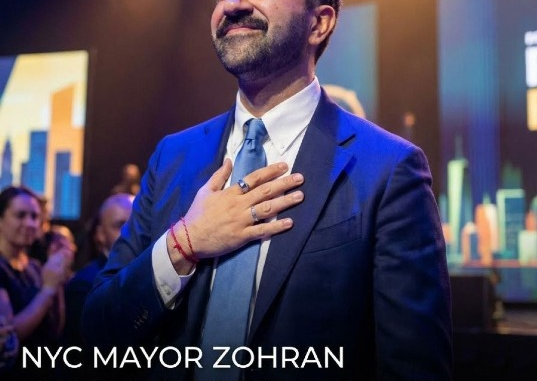
Her rise in public attention coincided with the political success of her husband, Zohran Mamdani, following his election as Mayor of New York City. Suddenly, Duwaji found herself navigating a role she hadn’t sought—caught between public curiosity and personal privacy. While many admired her style and presence, others reduced her identity to that of a political spouse, a simplification she has openly acknowledged. Her experience reflects a broader struggle women often face in public life: being defined by association rather than recognized for their own accomplishments.
To manage the intense attention, Duwaji and Mamdani have approached their visibility with intention. When interest in their private lives surged, they shared only a few intimate images from their courthouse wedding—personal, understated, and authentic. This choice allowed them to satisfy public curiosity without compromising their personal space. Duwaji has noted that sudden public exposure can create creative paralysis, pushing artists to self-censor in anticipation of critical scrutiny.
To stay grounded, Duwaji relies on her artistic community, valuing feedback from peers over the fleeting approval of social media. She approaches her public role with humor and self-awareness, acknowledging that while she occupies a visible position, she is not a politician. Instead, she sees her platform as a way to amplify the voices of underrepresented artists in New York, using her visibility to support the broader creative community.
At the heart of her life, however, remains her art. Her illustration, animation, and ceramic work continue to anchor her, providing focus and balance amid the pressures of public life. Her current projects explore themes of community, identity, and urban experiences, with ceramics serving as a grounding, meditative practice in contrast to the fast pace of political headlines.
As New York adjusts to a new administration, Duwaji is redefining what it means to be a modern, independent partner in the political sphere. By maintaining boundaries and prioritizing her creative practice, she asserts control over her narrative. She is resisting the conventional “spouse” role, showing that one’s work and identity do not have to be secondary to a partner’s career. Looking forward, she aims to protect creative freedom not only for herself but for the broader artistic community she now represents. Despite her public association with the Mayor, her vision remains fully her own, shaped by years of dedication, discipline, and a refusal to compromise her individuality.