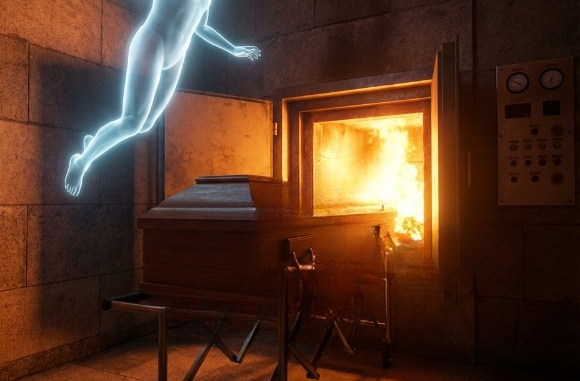
In the intimate corners of the human heart, few topics invite as much reflection as what becomes of our bodies after death. In today’s world, cremation has moved from a less common option to a mainstream choice, influenced by city living, cost, and changing cultural attitudes. For people of faith, however, this decision is never purely practical. It carries spiritual weight, raising questions: Does cremation affect the hope of the soul? Does choosing an urn over a casket break with sacred traditions? The discussion about cremation ultimately touches on scripture, symbolism, and the enduring nature of divine promise.
Historically, the Judeo-Christian tradition has favored burial. From Abraham buying a cave for Sarah, to Joseph instructing that his bones be returned to the Promised Land, to Jesus’ own burial in a borrowed tomb, scripture emphasizes laying the body to rest with dignity. Burial has symbolized hope and resurrection, likening the body to a seed planted in the ground to rise again in new life. The human body is seen as sacred, a temple of the Holy Spirit, and burial honors its integrity. The act of returning to dust, as described in Genesis, reflects the natural cycle of life, and cemeteries have long stood as spaces testifying to death as temporary sleep.
As cremation becomes more common, believers and theologians have revisited scripture for perspective. Christian faith emphasizes God’s sovereignty—if God can create the universe from nothing, the condition of the physical body cannot limit His power. History shows countless examples of martyrs and faithful whose remains were destroyed or scattered, yet their souls remained secure in God’s hands. Thus, the method of returning to dust is secondary to the state of the soul. Whether the body returns to the earth slowly or through fire, the result is biologically similar, and what matters most is reverence and intention. Many modern families choose cremation for practical reasons—simplicity, stewardship, or logistical considerations—while still honoring their faith.
Religious leaders stress the importance of dignitas—treating the body with respect. Cremation should not be seen as disposal but as a sacred transition. Families may hold a funeral service before cremation or treat ashes with liturgical care, reflecting the life lived and maintaining reverence. Cremation can even serve as a spiritual symbol, emphasizing that our ultimate hope lies not in the physical body, but in eternal life. As the Apostle Paul described, our body is a temporary “tent,” while the soul moves toward permanence.
Ultimately, the choice between burial and cremation is personal, guided by conscience, culture, and faith. Tradition provides one path, while grace opens a wider horizon. The assurance remains that nothing—death, life, or the method of returning to the elements—can separate us from God’s love. Whether through a grave or an urn, these acts of remembrance honor life and affirm hope. In the end, whether dust returns through time or flame, it is part of the story God continues, preparing a world where death is no more, and the faithful find ultimate rest.