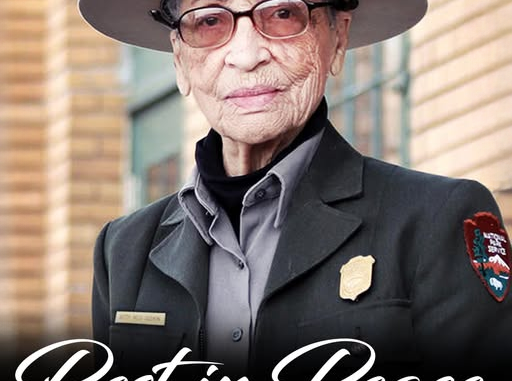
Betty Reid Soskin faced Jim Crow with clear eyes, lived through decades of postponed justice, and never accepted silence as her role. At 104, she passed away much as she lived—grounded, direct, and unwilling to let truth be softened for comfort. She didn’t just correct history; she nurtured it, returning it to the nation with care and conviction.
Born into segregation, she witnessed and influenced a century of change, advising leaders, shaping public memory, and challenging the stories America preferred to ignore. Her life spanned the arc of modern America—from segregated workplaces and a Black-owned record store to public service in California politics and the National Park Service. At 84, she became a park ranger, reshaping how the World War II home front was remembered, insisting that Black workers, women, and marginalized communities be included in the narrative.
Her voice stayed steady to the end. She spoke plainly about injustice, not to provoke, but to teach. She warned of what is lost when society forgets its moral compass, yet she never gave in to despair. Her work was built on the belief that honesty, though difficult, is healing.
What she leaves behind is more than a legacy—it’s a call to responsibility. Every school named for her, every visitor moved by her words, every frame of her unfinished documentary is a reminder that history is alive and demands caretakers. Through Betty Reid Soskin, countless people came to see that their lives mattered—that their labor, pain, and resilience deserve to be remembered.
She did not seek fame. She asked only to be remembered truthfully.