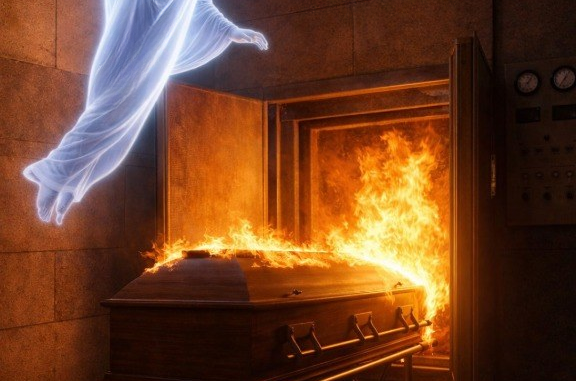
Few subjects prompt as much personal reflection as the questions surrounding death and how the body should be handled afterward. As cremation becomes increasingly common for cultural, practical, or financial reasons, many believers wonder about its spiritual implications. Does it honor God? Does it conflict with faith?
For most, the concern isn’t the act itself but what it symbolizes. Longstanding traditions influence views on death, and decisions about cremation often lead to deeper contemplation of Scripture, symbolism, and the hope central to faith.
What the Bible Shows (and Doesn’t)
The Bible doesn’t explicitly approve or forbid cremation. Scripture consistently depicts burial as the traditional practice—from the patriarchs to Jesus’ own burial—as an act of honor, respect, and anticipation of resurrection. Burial symbolizes faith that death is temporary and points to future renewal, with references to returning to dust reinforcing hope in God’s restorative power.
God’s Power Transcends Method
Scripture makes clear that God’s power isn’t limited by how the body is handled. People have lost their bodies to fire, the sea, war, or disaster without diminishing hope in resurrection. Whether through cremation or burial, faith rests in God’s ability to restore life beyond earthly conditions.
Intent Matters Most
Religious leaders often emphasize intention over method. Decisions made for practicality or necessity are distinct from those rejecting faith in eternal life. Many communities encourage following one’s conscience while maintaining dignity and reverence, whether remains are interred in a grave or kept in an urn.
Faith Beyond the Physical
Ultimately, the discussion isn’t about ashes or soil—it’s about hope. For believers, hope lies not in the body’s fate but in the promise of life beyond this world. Cremation, like burial, gains significance through the faith, respect, and trust in God accompanying the choice.