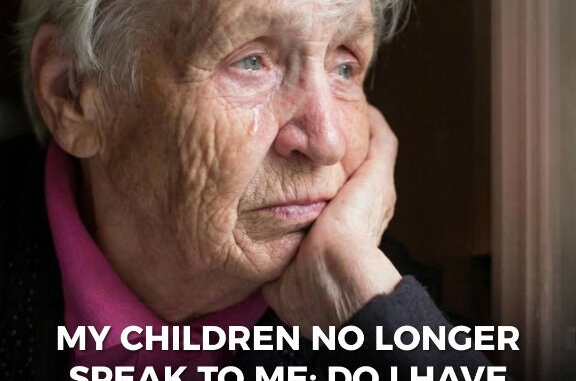
Years of unanswered calls, ignored messages, and vanished conversations leave a quiet, gnawing ache—a slow erosion of a parent–child relationship that can feel impossible to name. For many parents, after months or years of silence, a difficult question arises: if your children have cut ties with you, do you have the right to exclude them from your inheritance?
In France, this issue is governed by strict inheritance laws that balance personal conflict with legal protections.
What French Law Allows
French law prioritizes children’s inheritance rights. Most children cannot be fully disinherited under normal circumstances. The estate is divided into two parts:
-
La réserve héréditaire (the reserved portion): This portion is legally protected for children and, in some cases, spouses or parents. It cannot be taken away except in extraordinary situations.
-
La quotité disponible (the disposable portion): This portion can be freely distributed to anyone—friends, charities, or other family members—allowing parents to recognize meaningful relationships beyond legal heirs.
Disinheriting a Child
Children cannot be disinherited simply because they ignore or abandon their parents. French law only allows disinheritance in extreme circumstances, such as:
-
Attempted murder or serious violence against a parent
-
Severe abuse, physical or psychological
-
Malicious false accusations in court
-
Other serious criminal acts targeting the parent
Even in these cases, disinheritance requires a carefully drafted will, supporting evidence, and often judicial approval. The law emphasizes that, even strained, parent–child bonds are worth protecting.
Legal Ways to Allocate Your Estate
Parents who want to honor some relationships over others can still shape their estate within the law:
-
Use the disposable portion wisely: Allocate this portion to those who have been present in your life, without violating the children’s reserved share.
-
Life insurance policies: Generally outside the reserved portion, allowing flexible beneficiary designations.
-
Plan with a notary: Notaries can help structure gifts, draft compliant wills, and reduce the risk of disputes.
Balancing Emotion and Law
Estrangement and silence can leave deep wounds, but estate planning can help reflect your values. Inheritance is not just about money; it is a reflection of legacy—the people, memories, and principles you choose to honor. Thoughtful planning allows you to leave a meaningful, intentional estate while staying within the legal framework.