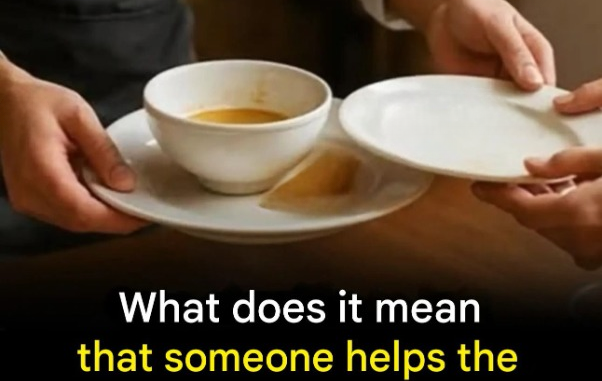
It’s a small gesture that often goes unnoticed—a plate nudged toward the edge of the table, a glass handed to a busy server. Yet psychologists say this quiet act can reveal a lot about a person’s character.
At first glance, it might seem like basic politeness, a habit, or learned behavior. But beneath the surface, helping a waiter signals empathy—the ability to notice another person’s mental and physical load without being asked. People who do this are attuned to subtle cues and act because it feels natural, not for recognition.
This behavior also reflects respect for often-overlooked roles. Service work is undervalued, and lending a hand signals that you see the worker as a person, not just a function. Social psychologists note that how people treat those with less power reveals more about their true character than interactions with peers or authority.
Helping a server also suggests humility and cooperation. It requires stepping outside rigid social roles, being flexible, and prioritizing shared outcomes over personal status. These micro-cooperative actions often carry over into other areas—assisting colleagues, noticing struggles, or taking on unglamorous tasks without prompting.
There’s also a cognitive element: perspective-taking. Helping a waiter means imagining the demands of their role, anticipating needs, and acting thoughtfully—a skill that strengthens relationships and fosters emotional intelligence. Early social learning, comfort with minor vulnerability, and a focus on intention over perfection further shape this behavior.
Psychologists emphasize that character often shows in small, quiet choices, not dramatic gestures. Helping a waiter doesn’t change the world, but it reflects awareness, respect, and a willingness to ease someone else’s burden. In a culture that glorifies visible success, these understated acts reveal emotional maturity and genuine connection.