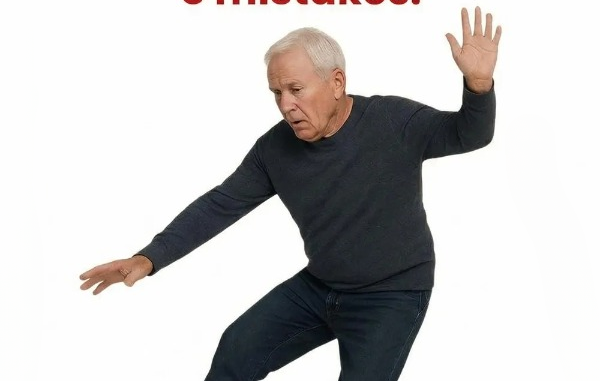
Balance problems in older adults often develop gradually—slight wobbles, cautious steps, and hesitation can seem like a normal part of aging. But everyday habits can weaken stability, and the good news is that small, consistent changes can improve balance, strength, and confidence.
Reduced movement is a major factor. Sitting for long periods, avoiding activity for fear of falling, or skipping simple exercises weakens core, leg, and hip muscles, making basic actions like standing or stepping risky. Gentle daily movement—walking, stretching, yoga, or tai chi—can strengthen muscles and improve coordination.
Footwear matters too. Worn-out or loose shoes, slippery socks, and soft soles reduce stability. Proper shoes with support and non-slip soles provide a safe foundation indoors and outdoors.
Nutrition and hydration play a role. Dehydration and low-nutrient diets can cause dizziness, fatigue, and weak muscles. Balanced meals with protein, fruits, vegetables, and whole grains support strength and energy.
Vision, hearing, and medications also affect balance. Poor eyesight or hearing can reduce spatial awareness, while certain medications may cause dizziness or drowsiness. Regular checkups and medication reviews help address these risks.
Home hazards like loose rugs, clutter, uneven floors, and poor lighting increase fall risk. Simple changes—securing rugs, clearing pathways, adding grab bars, improving lighting, and using nightlights—make daily movement safer.
Rushing and fear of falling can also undermine stability. Moving slowly, pausing when standing, and practicing intentional movement rebuild confidence and reduce risk.
Overall, balance improves through practical habits: staying active, wearing supportive footwear, eating well, staying hydrated, maintaining vision and hearing, reviewing medications, and creating a safe home environment. These steps reduce unnecessary risk and help older adults move confidently, comfortably, and independently—one step at a time.