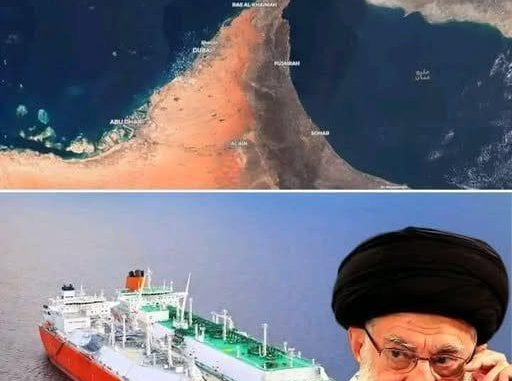
In 2026, global stability hangs in the balance as the Iranian Parliament moves to close the Strait of Hormuz, a 33-kilometer chokepoint connecting the Persian Gulf to the Gulf of Oman. This narrow passage carries nearly a third of the world’s seaborne oil and LNG, making any threat of closure an immediate shock to energy markets and the global economy.
The move follows escalating tensions, including reported strikes on Iranian nuclear facilities, prompting Tehran to leverage the Strait as a powerful economic and strategic tool. For energy-dependent nations like India, a blockade would trigger soaring fuel prices, higher costs for goods, and political pressure. The U.S. faces a classic dilemma: enforce free navigation at the risk of military escalation, while Iran’s advanced anti-ship defenses make intervention hazardous.
China, the world’s largest oil importer, may seek to mediate, using the crisis to expand influence while protecting its own energy shipments. Economists warn of exponential price spikes if the Strait is closed, affecting everything from fuel and plastics to global shipping costs. Insurance premiums and rerouting via the Cape of Good Hope would compound economic and environmental impacts.
The psychological and financial “risk premium” is already impacting markets. A single legislative vote in Tehran now carries consequences for families, industries, and nations worldwide. Diplomacy is the only potential off-ramp, yet the stakes are immense: a closed Strait could spark a global economic shock unprecedented in modern history.
The Strait of Hormuz is a stark reminder of humanity’s dependence on fragile geographic bottlenecks. In 2026, this 34-kilometer stretch of water may determine the stability of energy supplies, international relations, and the global economy itself. Peace and negotiation remain the most valuable commodities of all.