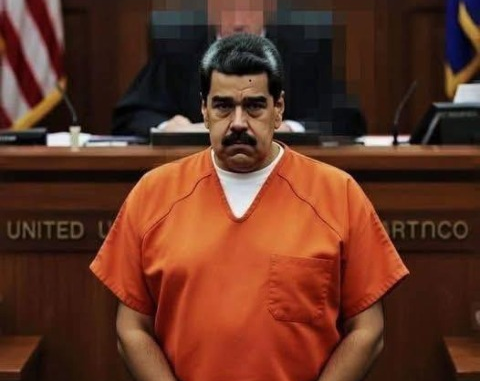
The U.S. Senate has become the center of a heated constitutional debate following a dramatic military operation in Venezuela that resulted in the capture of Nicolás Maduro. Executed by U.S. forces, the overnight raid extracted Maduro to New York to face charges, but its scale and bypass of Congress have sparked fierce questions about presidential war powers and congressional oversight.
A bipartisan War Powers Resolution, led by Senators Tim Kaine and Rand Paul, sought to require congressional approval for further U.S. military action in Venezuela. However, intense pressure from the White House caused some Republicans to withdraw support, leaving a 50-50 tie broken by Vice President J.D. Vance, effectively allowing the administration to maintain unilateral authority.
Supporters argue the operation was a precise law-enforcement action against a dangerous criminal, not a war, while critics warn it sets a dangerous precedent for bypassing legislative and international oversight. The move has drawn global scrutiny, strained regional relations, and raised fears about unilateral interventions under the guise of criminal justice.
Meanwhile, U.S. diplomacy in Venezuela continues to stabilize the interim government, but Washington remains divided. The Senate debate underscores a broader question: in an era of precision strikes and hybrid operations, where do presidential police powers end and war powers begin? The Maduro operation may be remembered not just as a tactical victory, but as a pivotal moment testing the balance of power between Congress and the presidency.