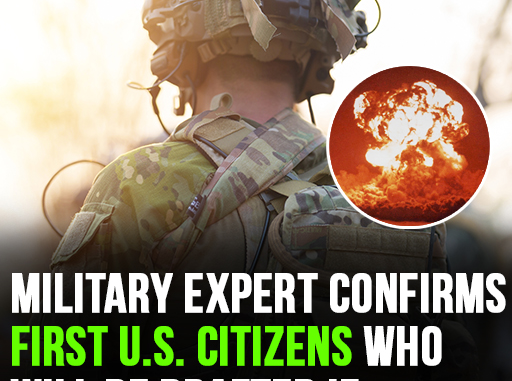
As global tensions rise and the United States takes a more assertive role internationally, an old question has returned to public debate: who would be drafted if a major war forced the return of conscription? Although the U.S. military has relied on volunteers for over fifty years, the Selective Service System remains legally active and ready to be implemented with congressional and presidential approval.
History offers a sobering reference. During the Vietnam War, roughly 1.8 million men were drafted, and more than 17,000 lost their lives in combat. While the draft ended in 1973, the requirement for young men to register never disappeared. Today, nearly all male U.S. citizens and male immigrants must register within 30 days of turning eighteen. Failure to do so can result in severe penalties, including fines, prison time, loss of federal benefits, and delays in citizenship for immigrants.
If a global conflict escalated to the scale of World War III, Congress would need to authorize conscription, after which the Selective Service would activate a national lottery. Birthdates would determine the order of induction, with men turning twenty in the lottery year called first, followed by those aged twenty-one through twenty-six. Those aged eighteen and nineteen would be drafted last.
Once selected, individuals would be sent to Military Entrance Processing Stations for physical, mental, and background evaluations. While standards are strict in peacetime, experts warn that during a national emergency many exemptions could be waived to meet manpower demands.
Currently, only men are required to register, despite ongoing debate about including women. As geopolitical tensions persist across multiple regions, the draft is no longer a purely historical concept. The Selective Service System exists as a contingency plan—ready to rapidly expand the military if required—making birthdate, rather than choice, the deciding factor for millions of young Americans should a large-scale war occur.