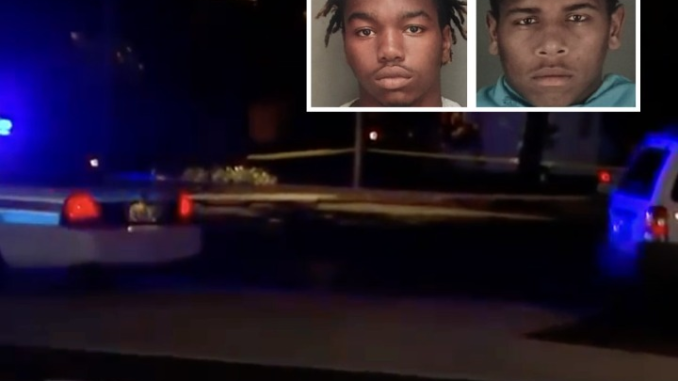
A routine meeting in a Clearwater, Florida, bank parking lot quickly turned violent on a humid Tuesday evening. Louise Ornduff and her son believed they were meeting potential buyers interested in purchasing their Nissan Rogue, a transaction arranged through an online marketplace. Choosing a public location for safety, they had no reason to suspect the deal was a setup.
The two “buyers,” later identified as 18-year-old Lasupta Singletary and 17-year-old Jernalen Coleman, were not there to negotiate. Moments into the meeting, they pulled out firearms and demanded the car keys. Faced with an armed threat, the suspects took the vehicle and attempted to flee.
What they did not anticipate was that Louise was armed. As the stolen car pulled away, she fired a single shot, striking Singletary. Coleman drove his wounded accomplice to a nearby hospital, where Singletary was pronounced dead.
The incident prompted a detailed investigation by Clearwater police, who examined whether the shooting met Florida’s self-defense standards, including whether the threat was still imminent when the shot was fired. Surveillance footage became central to the case.
Coleman was later arrested and charged with armed robbery and second-degree felony murder, a charge that applies when a death occurs during the commission of a violent crime. Police emphasized that both suspects arrived armed and intended to commit a robbery.
The case sparked intense public debate, with many praising Louise Ornduff for protecting her son, while others questioned the legal and moral boundaries of self-defense once suspects are fleeing. Though the parking lot returned to normal, the incident left a lasting impact on the community, serving as a stark reminder of how quickly everyday situations can turn deadly—and how split-second decisions can change lives forever.