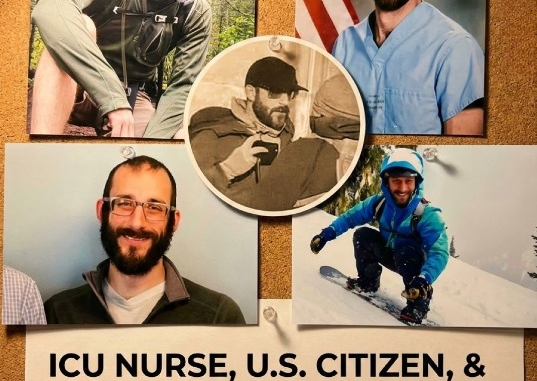
In late January 2026, a federal immigration enforcement operation in Minneapolis ended with a fatal shooting, sparking public concern and demands for transparency. Officials said federal agents were carrying out a targeted action when a confrontation occurred, during which an officer fired a weapon. The man was taken to a hospital and later died from his injuries. Authorities described the case as ongoing, noting that multiple investigations were underway.
The man was later identified by family members as Alex Jeffrey Pretti, a 37-year-old registered nurse and U.S. citizen. His death shocked those who knew him, particularly because of the life he had built around service and care for others.
Pretti worked as an ICU nurse at the Minneapolis Veterans Affairs hospital, where colleagues described him as calm, dedicated, and deeply compassionate. Born in Illinois, he later moved to Minnesota and earned his nursing license in 2021 after studying at the University of Minnesota. Those close to him said nursing wasn’t just a job—it reflected who he was.
Outside of work, Pretti enjoyed spending time outdoors and was engaged with social and environmental issues. Family and friends said he believed in peaceful civic participation and saw community involvement as part of being responsible and empathetic. They described him as thoughtful, fair, and someone who consistently showed up for others without seeking recognition.
His death came shortly after another fatal incident involving federal agents in Minneapolis, heightening community unease. With two deaths occurring within weeks, residents and advocates called for clearer explanations about enforcement practices, use of force, and accountability.
As investigations continue, Pretti’s family, coworkers, and friends are left grieving both the loss of a loved one defined by service and the unanswered questions surrounding his death. For many in Minneapolis, the case has become a symbol of a deeper concern: the human cost of enforcement actions and the urgency of transparency when lives are lost.