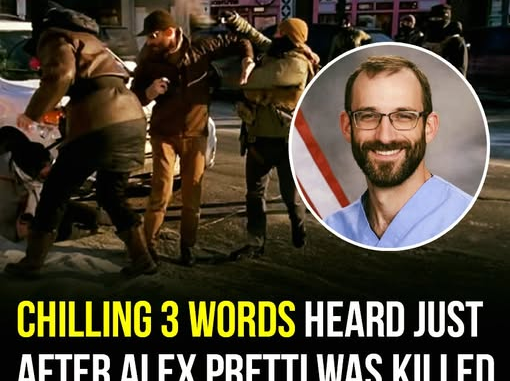
Minneapolis has been thrust into national outrage following the fatal shooting of Alex Jeffrey Pretti, a 37-year-old ICU nurse and U.S. citizen, who was killed by federal agents during an immigration enforcement operation on January 24. His death marks the second fatal shooting by federal tactical teams in the city within a single month, intensifying protests and scrutiny of federal authority.
Officials initially claimed agents fired in self-defense after Pretti allegedly produced a firearm. But cellphone footage recorded by bystanders quickly cast doubt on that account. Videos appear to show Pretti holding a phone, not a weapon, as agents approached. During the brief struggle that followed, an officer is seen retrieving what appears to be a gun only moments before shots were fired.
The most troubling evidence is audio captured just after the shooting. In it, an officer can be heard asking, “Where’s the gun?”—three words that have become central to public anger and the ongoing federal investigation. Critics argue the question suggests agents were unsure whether a weapon existed until after Pretti had already been shot.
Pretti’s family rejects the portrayal of him as a threat, describing him as a compassionate nurse devoted to caring for others, including veterans. His death, following another federal shooting earlier in January, has fueled claims that increased federal enforcement has brought fear rather than safety to Minneapolis.
As protests spread nationwide, calls grow louder for the release of all body-camera footage and communications tied to the operation. While federal officials stand by their account pending review, many see Pretti’s killing as a symbol of excessive force and eroding civil rights.
Alex Pretti’s legacy is not defined by disputed claims of a weapon, but by the life he spent saving others—and by the unanswered questions surrounding his death, now echoing far beyond the streets of Minneapolis.