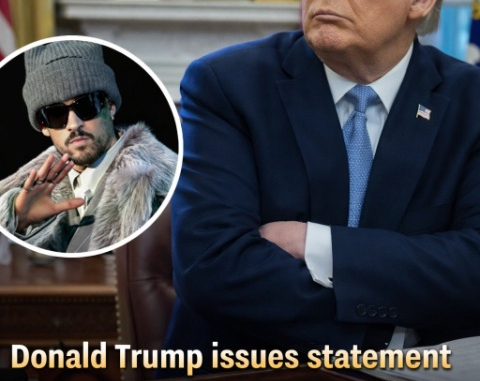
At Super Bowl LX, Donald Trump showcased a modern form of influence by staying away from Levi’s Stadium yet dominating the digital conversation. While publicly celebrating the game as a unifying American tradition, he simultaneously critiqued the halftime show, using social media to assert presence without attending—a strategy highlighting how leadership and attention now operate in the digital age.
Through teasers, critiques, and calculated absences, Trump turned commentary into spectacle, demonstrating how suspense and visibility can shape narratives more than substance. This “attention economy” reflects a broader cultural shift: major events like the Super Bowl are less about the game itself and more about the digital reactions they spark, where performance often overshadows meaning.
The episode illustrates the tension between ritual and virtual influence. Physical presence once affirmed shared identity; now, carefully orchestrated online signals can command attention while fragmenting communal cohesion. Despite the media frenzy, the Seahawks’ victory stood unaffected, underscoring the ephemeral nature of digital spectacle.
Super Bowl LX thus revealed a society obsessed with signals and performance. Trump’s mastery of attention demonstrated the power of visibility, but it also highlighted a key danger: when spectacle replaces substance, leadership is judged by theatrics rather than accountability, and the public risks confusing performance for purpose.