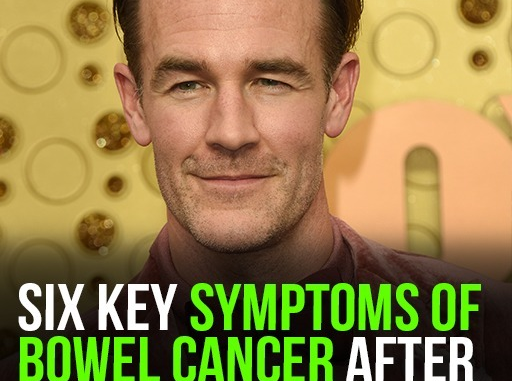
James Van Der Beek’s public discussion of his colorectal cancer diagnosis sent shockwaves across the world, underscoring a sobering reality: bowel cancer is no longer confined to old age. In one of his most striking warnings, he noted, “You can have no symptoms and still have cancer.” That single sentence captures the deceptive danger of a disease that often progresses silently, presenting the illusion of good health until it reaches an advanced stage.
Colorectal cancer—encompassing cancers of the colon and rectum—remains one of the deadliest and most complex cancers to detect early. While overall cancer rates have declined, diagnoses among adults under 50 have steadily increased, baffling researchers and alarming physicians. Many patients are young, active, and health-conscious, which makes early warning signs easy to dismiss.
Van Der Beek’s experience reflects this pattern. When subtle digestive changes appeared, he initially blamed stress and diet. Physically fit and deeply engaged in family life, cancer felt implausible. Only when symptoms persisted did he insist on further testing. A colonoscopy ultimately revealed stage 3 colorectal cancer—a diagnosis he described as deeply destabilizing, precisely because he felt largely well.
This cancer often begins as benign polyps that cause no discomfort as they slowly transform over years. By the time symptoms become unmistakable, the disease may already be advanced.
Six Key Warning Signs Not to Ignore
Although symptoms may be absent, doctors urge immediate evaluation if any of the following persist:
-
Changes in bowel habits – including ongoing constipation, diarrhea, or unusually narrow stools.
-
Blood in or on the stool – whether bright red or dark and tar-like.
-
Ongoing abdominal discomfort – such as cramping, bloating, or unexplained gas.
-
A constant urge to empty the bowels – even after doing so.
-
Unintentional weight loss – without changes in diet or activity.
-
Extreme fatigue or weakness – often linked to anemia caused by internal bleeding.
Why Screening Matters More Than Ever
Due to rising early-onset cases, screening guidelines in many countries now recommend beginning colon cancer screening at age 45. The tragedy is that colorectal cancer is among the most preventable cancers. Polyps can often be removed during routine screening, stopping cancer before it forms. When caught early, survival rates are high; when detected late, outcomes decline sharply.
Rather than seeking sympathy, James Van Der Beek has used his platform to promote vigilance. He has repeatedly emphasized that discomfort around screening should never outweigh the value of early detection. His message is directed especially at those who consider themselves young, healthy, and immune.
As scientists continue investigating potential causes—from diet and environmental exposure to microbiome changes—one truth remains constant: early detection saves lives. Colorectal cancer does not discriminate by age, fame, or fitness. It advances quietly, and the only way to stop it is to look for it before it announces itself.