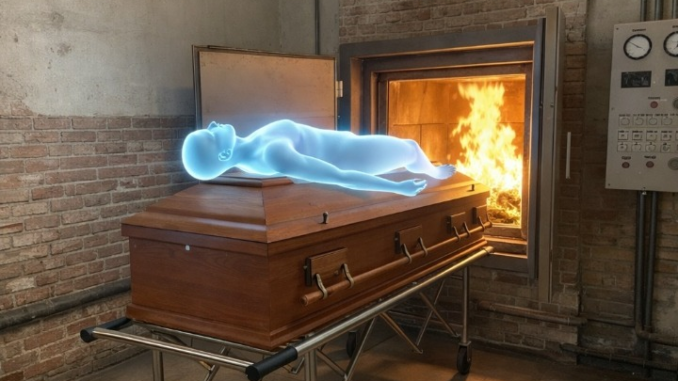
Over the past few decades, practices surrounding death and funerals have shifted dramatically in the Western world. Cremation, once uncommon, has grown increasingly popular, driven by rising costs, limited urban burial space, and environmental concerns. Many families now see it as a practical and respectful alternative to traditional burial. Yet within Christianity, the practice raises important spiritual and theological questions. For believers, the choice between burial and cremation is not merely logistical—it touches on the nature of the human body, the importance of tradition, and the hope of resurrection.
The central question—does the Bible consider cremation a sin?—has inspired extensive debate. Unlike many moral directives in scripture, there is no single, unequivocal command on this matter. The question is shaped by centuries of custom, biblical symbolism, and Christian teachings. Historically, burial has been the norm. From Abraham to Moses, burial was regarded as essential, and being denied a proper burial was often seen as a tragedy or sign of divine judgment. For ancient Hebrews and early Christians alike, the body was not just a shell for the soul; it was a creation of God, destined for restoration.
The strongest example comes from Jesus Christ. After His crucifixion, Christ was buried in a tomb, establishing a pattern that Christians have long viewed as sacred. Burial symbolizes the body “sown” into the earth like a seed, awaiting the resurrection—a metaphor Paul uses to describe the transformation of the mortal body into an immortal one. This imagery is central to why burial has remained the preferred method in Christian tradition for centuries.
Yet despite the strong precedent for burial, scripture never explicitly forbids cremation. While the Bible records some instances of bodies being burned, these were usually linked to extraordinary circumstances—such as divine judgment or wartime necessity. Because there is no direct prohibition, many theologians argue that cremation falls under the realm of Christian liberty. Burial may reflect biblical tradition, but it is not a requirement for salvation.
Some opponents of cremation cite the idea of the body as the “temple of the Holy Spirit,” arguing that burning it shows a lack of reverence. They fear it may suggest doubt in God’s power to resurrect. Others counter that God, who created the universe from nothing, can surely restore the body regardless of whether it is buried, cremated, or left to decay. The method of disposal does not limit divine sovereignty over life and death.
Historical associations have also shaped Christian views. In the early church, cremation was often linked with pagan rituals that denied resurrection. Burial became a statement of hope and faith, distinguishing Christians from surrounding cultures. Today, however, most people choose cremation for practical reasons—cost, convenience, or simplicity—rather than theological opposition to resurrection.
Across many denominations, a broad consensus has emerged: cremation does not affect salvation or one’s future resurrection. Christian hope is focused not on preserving earthly remains, but on the promise of new, glorified bodies through Christ. Whether a body rests in a grave or an urn is secondary; faith lies in God’s transformative power.
Ultimately, the choice between burial and cremation is deeply personal, blending faith, tradition, and practical considerations. Burial offers a symbolic witness to resurrection and respect for the body, while cremation acknowledges human mortality and reliance on God. In both cases, the Christian emphasis remains on the empty tomb and the hope it represents. Fire or decay cannot diminish the eternal life promised through Christ. The method of our passing matters far less than the destination God has prepared for us.