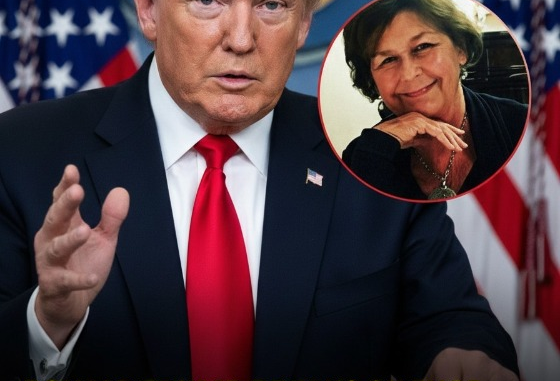
The disappearance of Nancy Guthrie has grown from a local worry in Tucson’s quiet suburbs into a national concern, capturing the attention of both the media and the public. Since the 84-year-old mother of NBC anchor Savannah Guthrie went missing in early February, the case has been marked by uncertainty and an urgent search for answers. With federal resources mobilized and the FBI offering a $50,000 reward for information leading to her recovery, what began as a missing person inquiry has evolved into a complex criminal investigation, with potential ransom communications and signs of foul play under scrutiny.
Amid the high-profile search, an unexpected moment of significance occurred when former President Donald Trump was asked about the case. Given his tense history with Savannah Guthrie—defined by public disagreements and pointed exchanges—the public anticipated a politically charged response. Instead, Trump offered a rare, minimalistic statement: “Very sad. Very troubling.”
Those four words immediately drew attention. In contrast to his usual grandiose rhetoric, the remark was stripped of political framing, personal grievances, or any attempt to manipulate the narrative. Its restraint resonated because it addressed the core human tragedy—a family facing unimaginable uncertainty—rather than the familiar theater of partisan commentary. For a moment, past tensions were set aside, replaced by acknowledgment of a daughter’s distress and a nation’s concern.
The investigation itself underscores the toll a disappearance takes on a family. What might have initially seemed like a medical incident—perhaps a fall or momentary confusion—has been re-evaluated. Authorities found no evidence that Nancy wandered off on her own, and tampered security systems suggested something more sinister. Savannah Guthrie and her family have navigated a fragile space between hope and despair, all while contending with a flood of online speculation, hoaxes, and unverified leads.
Reactions to Trump’s comment reflected a divided public. Some praised the tone as unexpectedly mature and empathetic, while others questioned its sincerity. Yet beneath the political noise, the statement offered a rare moment of shared human concern: a missing grandmother is not a political issue, but a human being whose safety matters.
The FBI and Tucson authorities continue their methodical investigation, cautioning the public against spreading unverified theories that could hinder progress. Forensic experts are analyzing security footage and digital signals to trace any clues, while the $50,000 reward remains active, signaling that authorities believe someone possesses critical information.
Throughout the ordeal, Savannah Guthrie has demonstrated remarkable resilience, balancing her public duties with the personal anguish of her mother’s disappearance. The family’s desperation for proof of life highlights the intense psychological strain experienced in such cases, including episodes where exhaustion and grief trigger “presence hallucinations,” momentarily convincing the mind that the missing loved one has returned.
Trump’s restrained comment, though brief, offers a quiet reminder: acknowledging suffering does not always require elaborate statements. By avoiding political spin or speculative commentary, the remark respected the privacy and humanity of a family in crisis, showing that sometimes empathy is most powerful when understated.
As the search continues, the community remains vigilant. The Guthrie case has become a national touchpoint, reflecting the vulnerability of the elderly and the sudden fragility of life. Investigators promise to persist until answers are found. While the outcome is uncertain, the case has already revealed the resilience of a family and the compassion of a community.
Ultimately, the story centers not on politicians or media figures, but on an 84-year-old woman, her daughter, and those committed to her safe return. It is about neighbors keeping lights on in hope, detectives working tirelessly, and the enduring patience of a family waiting for clarity. The uncertainty remains, but hope continues to shine, a quiet force sustaining a nation’s attention until Nancy Guthrie is finally found.
The disappearance of Nancy Guthrie has grown from a local worry in Tucson’s quiet suburbs into a national concern, capturing the attention of both the media and the public. Since the 84-year-old mother of NBC anchor Savannah Guthrie went missing in early February, the case has been marked by uncertainty and an urgent search for answers. With federal resources mobilized and the FBI offering a $50,000 reward for information leading to her recovery, what began as a missing person inquiry has evolved into a complex criminal investigation, with potential ransom communications and signs of foul play under scrutiny.
Amid the high-profile search, an unexpected moment of significance occurred when former President Donald Trump was asked about the case. Given his tense history with Savannah Guthrie—defined by public disagreements and pointed exchanges—the public anticipated a politically charged response. Instead, Trump offered a rare, minimalistic statement: “Very sad. Very troubling.”
Those four words immediately drew attention. In contrast to his usual grandiose rhetoric, the remark was stripped of political framing, personal grievances, or any attempt to manipulate the narrative. Its restraint resonated because it addressed the core human tragedy—a family facing unimaginable uncertainty—rather than the familiar theater of partisan commentary. For a moment, past tensions were set aside, replaced by acknowledgment of a daughter’s distress and a nation’s concern.
The investigation itself underscores the toll a disappearance takes on a family. What might have initially seemed like a medical incident—perhaps a fall or momentary confusion—has been re-evaluated. Authorities found no evidence that Nancy wandered off on her own, and tampered security systems suggested something more sinister. Savannah Guthrie and her family have navigated a fragile space between hope and despair, all while contending with a flood of online speculation, hoaxes, and unverified leads.
Reactions to Trump’s comment reflected a divided public. Some praised the tone as unexpectedly mature and empathetic, while others questioned its sincerity. Yet beneath the political noise, the statement offered a rare moment of shared human concern: a missing grandmother is not a political issue, but a human being whose safety matters.
The FBI and Tucson authorities continue their methodical investigation, cautioning the public against spreading unverified theories that could hinder progress. Forensic experts are analyzing security footage and digital signals to trace any clues, while the $50,000 reward remains active, signaling that authorities believe someone possesses critical information.
Throughout the ordeal, Savannah Guthrie has demonstrated remarkable resilience, balancing her public duties with the personal anguish of her mother’s disappearance. The family’s desperation for proof of life highlights the intense psychological strain experienced in such cases, including episodes where exhaustion and grief trigger “presence hallucinations,” momentarily convincing the mind that the missing loved one has returned.
Trump’s restrained comment, though brief, offers a quiet reminder: acknowledging suffering does not always require elaborate statements. By avoiding political spin or speculative commentary, the remark respected the privacy and humanity of a family in crisis, showing that sometimes empathy is most powerful when understated.
As the search continues, the community remains vigilant. The Guthrie case has become a national touchpoint, reflecting the vulnerability of the elderly and the sudden fragility of life. Investigators promise to persist until answers are found. While the outcome is uncertain, the case has already revealed the resilience of a family and the compassion of a community.
Ultimately, the story centers not on politicians or media figures, but on an 84-year-old woman, her daughter, and those committed to her safe return. It is about neighbors keeping lights on in hope, detectives working tirelessly, and the enduring patience of a family waiting for clarity. The uncertainty remains, but hope continues to shine, a quiet force sustaining a nation’s attention until Nancy Guthrie is finally found. ww