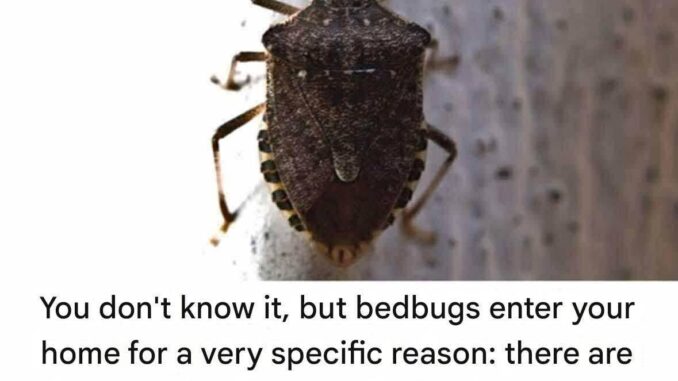
In today’s fast-moving information environment, a simple misidentification can create widespread panic and unnecessary action. Recently, many reports have labeled a common green insect as a “bedbug,” but closer examination reveals a clear error. Correcting this isn’t just about accuracy—it protects homeowners from costly, ineffective treatments and unnecessary stress. The truth lies in understanding the stark differences between true bedbugs and their harmless green look-alikes.
Bedbugs, scientifically known as Cimex lectularius, are specialized human parasites. They feed exclusively on blood, live indoors, and hide in tight spaces like mattress seams, bed frames, and baseboards. Adult bedbugs are flat, oval, reddish-brown, wingless, and never green. They are nocturnal and avoid sunlight entirely.
The green insects often mistaken for bedbugs are likely green stink bugs (Palomena species). These are herbivores that feed on plants, fruits, and vegetables, not humans. Their occasional indoor appearances are seasonal—they seek warmth during colder months, entering through small gaps, vents, or window screens. Inside, they may crawl near radiators or windows, but they are not a parasitic threat.
Confusing stink bugs for bedbugs can lead homeowners to overreact—disposing of furniture, using harsh chemicals, and experiencing undue stress—when a simple vacuuming or removal suffices. Stink bugs don’t bite, don’t infest beds, and carry no diseases. Their only defense is a harmless, pungent spray when threatened.
Understanding the differences allows homeowners to respond intelligently: bedbugs require professional eradication, while stink bugs are a temporary, harmless nuisance. Awareness and accurate identification prevent unnecessary panic, reduce chemical overuse, and save time, money, and emotional energy. Most “green bedbugs” are simply misplaced seasonal travelers, and a little entomological knowledge is enough to keep them in perspective.