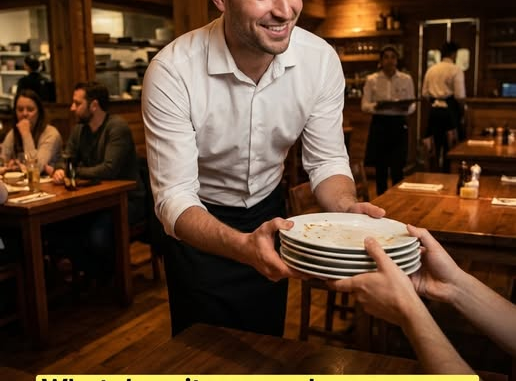
Eating at a restaurant may seem like an ordinary experience, but small actions during a meal can quietly reflect how people treat those around them. One example is when guests stack their plates or briefly pass them to a server after finishing. Although restaurant staff are trained to handle these duties, the gesture can show simple awareness of the effort happening around them and respect for the people doing the work.
Some behavioral experts link these kinds of actions to empathy and social awareness. In a busy restaurant environment, servers often balance multiple tables, carry heavy trays, and move quickly to keep everything running smoothly. Guests who notice this effort sometimes make small cooperative gestures as a way of acknowledging it. The intention usually isn’t to take over the server’s role, but to show appreciation for the work being done.
These small behaviors can also reflect how attentive someone is to their surroundings. People who naturally observe what is happening around them are more likely to notice when staff members are managing several responsibilities at once. Placing plates neatly together or sliding them toward the edge of the table can create a small moment of consideration that helps the dining experience feel more pleasant and respectful for everyone.
Of course, dining customs vary depending on culture, habits, and personal comfort. Not everyone chooses to help with plates, and that is completely normal. What truly matters is the attitude behind a person’s behavior. Whether someone tidies the table slightly, offers a sincere thank-you, or simply treats restaurant staff with kindness, these everyday gestures help create a more thoughtful and welcoming atmosphere. 🍽️✨