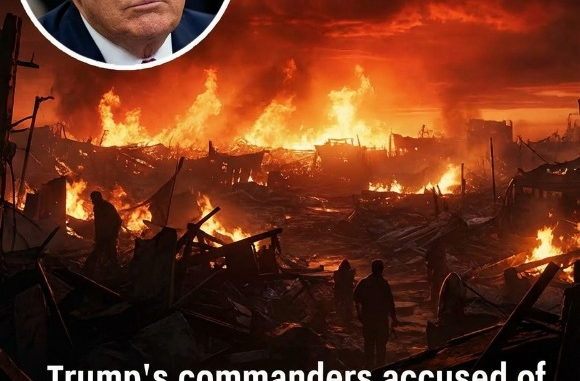
Recent reports have sparked debate after allegations emerged that some U.S. service members were exposed to religious references during military briefings. Advocacy groups and anonymous complaints suggest that a few commanders may have incorporated faith-based language while discussing geopolitical situations. This issue has drawn attention because the U.S. military generally expects official duties to remain separate from personal religious beliefs.
The controversy intensified amid heightened tensions involving the United States, Israel, and developments in Iran. Following these events, the Military Religious Freedom Foundation reported receiving over one hundred complaints from service members across multiple units. Some of these claims stated that briefings included religious interpretations while discussing conflicts or potential deployments.
One report described a commander allegedly citing religious texts during a briefing, implying that the events could be viewed through a spiritual lens. However, these reports are based on anonymous sources and have not been independently verified. Military regulations, including the Uniform Code of Military Justice, prohibit leaders from pressuring service members to follow specific religious beliefs while performing official duties.
Military officials have stressed that operational decisions are guided by national security priorities and legal frameworks, not personal faith. Briefings are intended to focus on strategy and policy rather than religious messaging. Nonetheless, the situation has renewed attention on how the armed forces navigate the balance between personal faith, professional conduct, and respect for the diverse beliefs of service members.