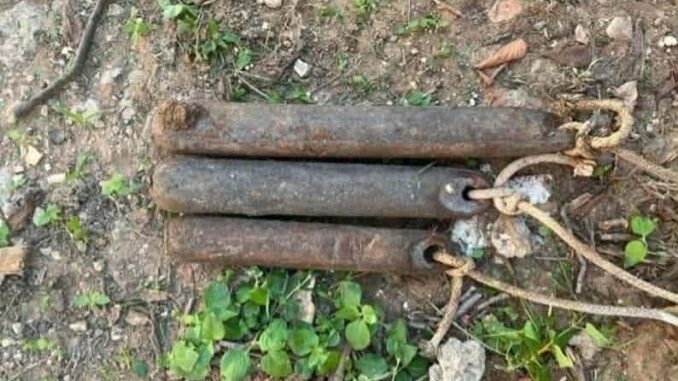
Hidden within timber frames and plaster walls, vintage window weights once served an essential purpose in helping sash windows move smoothly. Typically made from iron, and sometimes lead, these carefully designed components counterbalanced the weight of the window, making it easy to open and close with minimal effort. Their construction reflects an era when durability and practicality were key priorities—when buildings were intended to be maintained and valued over time rather than quickly replaced.
Today, preserving or restoring these weights goes beyond keeping a historical detail intact—it reflects an appreciation for intentional design. Traditional sash windows provide a sense of character and subtlety that modern alternatives often find difficult to match. The way they allow light to enter, frame outdoor views, and respond to touch creates an experience that feels natural and deliberate. Their smooth, balanced movement fosters a connection to the space that automated systems rarely replicate.
Beyond their visual and functional appeal, maintaining these elements also supports a sense of continuity. Each restored component carries the legacy of craftsmanship from a different time, showcasing materials and techniques designed for longevity. Preserving them helps retain the architectural identity of a home, ensuring its original personality is not lost through modernization. It becomes a way of honoring both the structure and the craftsmanship behind it.
Choosing to include or maintain vintage window weights is not simply about nostalgia—it reflects a conscious decision in the present. It encourages a more thoughtful interaction with everyday surroundings and adds authenticity to the living environment. In an age focused on convenience, these understated features serve as a reminder that some of the most enduring qualities are found in systems that operate quietly, reliably, and effectively.