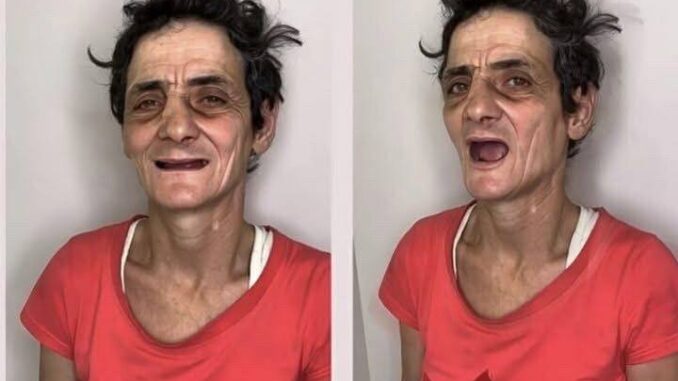
Rita’s life once unfolded quietly along the margins of the city, guided more by the need to survive than by personal choice. Her days were spent collecting bottles just to afford basic necessities, while her nights were marked by cold, isolation, and uncertainty. Over time, any sense of comfort or belonging faded, replaced by the simple aim of getting through each day. What others may have overlooked as invisibility was, in reality, a life shaped by hardship and quiet endurance.
That hardship deepened after the loss of her only son. Grief led to withdrawal, and without a support network, that isolation gradually resulted in homelessness. Rita was no longer perceived as someone with a history, abilities, or aspirations—only as someone passing unnoticed. Although she wished to work and rebuild her life, she often faced judgment before she could even explain her situation, and opportunities closed before they had a chance to begin.
Her circumstances began to change when she met Shafag Novruz, a makeup artist known for responding to hardship with empathy rather than attention-seeking gestures. Instead of viewing Rita as a project for transformation, Shafag saw a person deserving of dignity. Before focusing on appearance, she first addressed Rita’s health by arranging dental care, reinforcing the idea that self-respect begins with well-being. Only afterward did she proceed with gentle grooming, aimed not at concealment, but at restoring comfort and a sense of self-worth.
The result went beyond physical appearance. Rita’s posture became more relaxed, her expression softened, and the guarded hesitation she once carried gave way to visible emotion. While her circumstances did not instantly change, something meaningful had been restored—hope. Her journey serves as a reminder that homelessness is often rooted in loss rather than failure, and that meaningful change can begin with a simple act of compassion—when someone chooses to truly acknowledge and see another person.