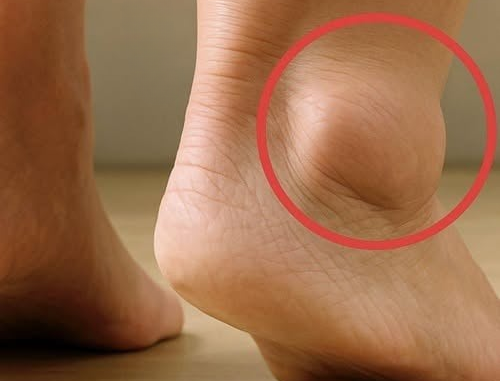
Swollen feet in older adults are more than just a minor inconvenience—they can be an indication that the body requires attention. As people age, circulation tends to slow, which can cause fluid to accumulate in the lower legs and feet, resulting in tightness, pressure, and discomfort. Extended periods of sitting or standing, along with less efficient vein function, can further contribute to this buildup. While occasional swelling may not be serious, frequent or persistent symptoms should be evaluated more carefully.
One effective starting point is increasing daily movement. Light activities such as short walks can help stimulate blood flow and prevent fluid from pooling. Simple seated exercises, like rotating the ankles or pointing and flexing the toes, can also support circulation. Equally important is avoiding long periods of inactivity—taking breaks to stand, stretch, or walk throughout the day helps keep blood moving.
Adopting supportive habits can further reduce swelling. Raising the feet above heart level while resting encourages fluid to drain away from the lower limbs. Wearing properly fitted, supportive footwear can ease pressure, and compression socks may assist in promoting circulation. Diet also plays a role; limiting sodium intake while including potassium-rich foods can help maintain a better balance of fluids in the body.
It’s also essential to recognize when medical attention is needed. Swelling that appears suddenly, worsens over time, or is accompanied by pain, redness, or breathing difficulties should not be ignored. These symptoms may indicate underlying conditions related to the heart, kidneys, or circulation. Early evaluation can help address the root cause, reduce discomfort, and support long-term mobility and independence.